 Save
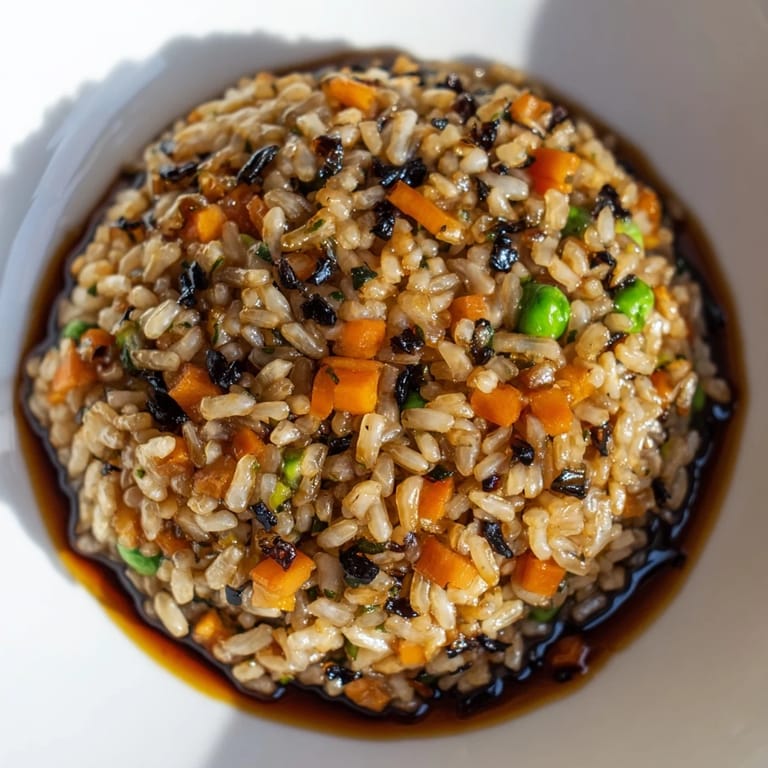
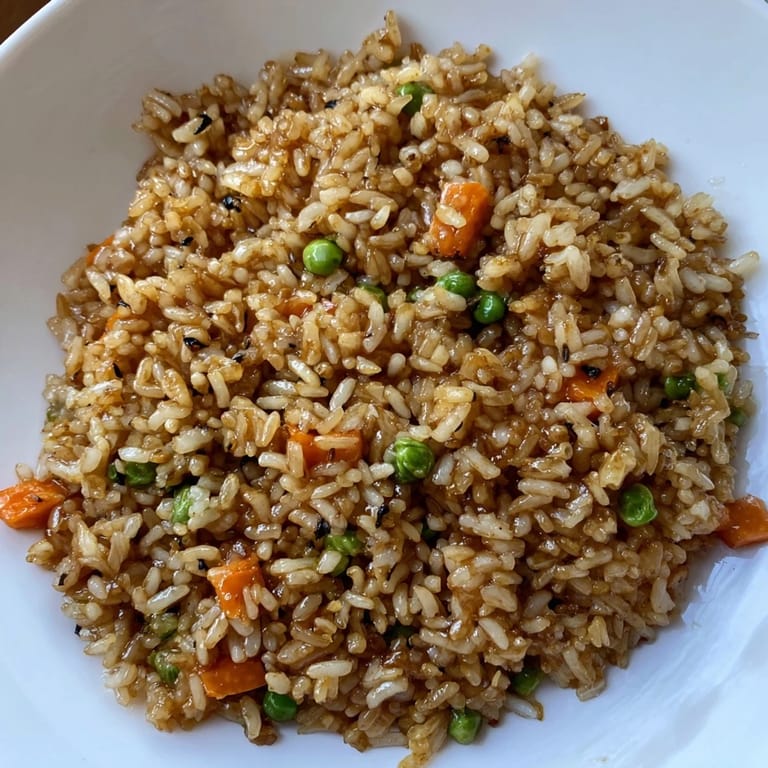
Save The first time I cracked open a bulb of black garlic, I wasn't prepared for how different it would be from the sharp bite of raw cloves. It smelled like balsamic and molasses, and tasted almost like a soft dried fig. I stood there in my kitchen, just eating piece after piece straight from the bulb, wondering how something so mellow could still taste so alive. That's when I knew I had to fold it into fried rice, where its sweetness could bloom against soy sauce and sesame oil.
I made this on a rainy Tuesday when I had nothing but leftover rice and a few mystery cloves rattling around in a jar. My neighbor knocked just as I was tossing in the scallions, and the smell pulled her straight into the kitchen. We ate it standing up by the stove, still in our socks, and she asked for the recipe before her bowl was even empty.
Ingredients
- Cooked jasmine rice: Day-old and cold is key because the grains dry out just enough to fry without turning mushy, and jasmine adds a subtle floral note that plays well with the garlic.
- Black garlic: This is where all the magic lives, sweet and sticky and almost caramelized, it melts into the rice and leaves behind little pockets of umami richness.
- Regular garlic: A small amount keeps things grounded and adds a sharp edge that balances the mellow sweetness of the black garlic.
- Scallions: I use the white parts early for a mild onion backbone, and save the green tops for a fresh, grassy finish right before serving.
- Mixed vegetables: Peas, carrots, and corn add color and a bit of natural sweetness, but you can swap in whatever needs using up.
- Light soy sauce: This is your salt and your savory base, use it generously but taste as you go so it doesn't overpower the black garlic.
- Oyster sauce: A spoonful deepens the umami and adds a silky gloss, but vegetarian versions work just as well if you want to keep it plant-based.
- Toasted sesame oil: A few drops at the end bring a nutty warmth that ties everything together, don't skip this or you'll miss the soul of the dish.
- Eggs: Scrambled and folded back in, they add richness and little golden clouds that cling to the rice.
- Neutral oil: Canola or sunflower lets the other flavors shine without adding any competing taste.
Tired of Takeout? 🥡
Get 10 meals you can make faster than delivery arrives. Seriously.
One email. No spam. Unsubscribe anytime.
Instructions
- Scramble the eggs:
- Heat a tablespoon of neutral oil in your wok over medium-high heat, pour in the beaten eggs, and let them puff and set before scrambling gently. Pull them out while they're still soft and glossy, they'll cook a bit more when you add them back later.
- Build the aromatics:
- Add the rest of the oil and toss in the diced onion and white scallion parts, stirring until they turn translucent and smell sweet. This takes about a minute, and you'll know it's ready when the edges start to brown just slightly.
- Bloom the garlic:
- Toss in the minced regular garlic and chopped black garlic, stirring constantly and pressing the black garlic against the pan to release its sticky sweetness. The smell will change from sharp to almost fruity, and that's your cue to move on.
- Cook the vegetables:
- Add your mixed vegetables and stir-fry for two to three minutes until they soften but still have a little snap. If you're using frozen, let them thaw and dry off first so they don't water down the rice.
- Fry the rice:
- Break up the cold rice with your hands or a spatula, then toss it into the pan and stir-fry for two to three minutes. You want each grain to separate and get lightly toasted, so don't be shy about letting it sit for a few seconds between stirs.
- Season everything:
- Drizzle in the soy sauce, oyster sauce, sugar, and black pepper, tossing well so every grain gets coated. Taste a spoonful and adjust if it needs more salt or sweetness.
- Fold in the eggs:
- Return the scrambled eggs to the pan and break them up gently as you stir. They should mix in without disappearing completely, leaving little pockets of soft yellow throughout.
- Finish with sesame oil:
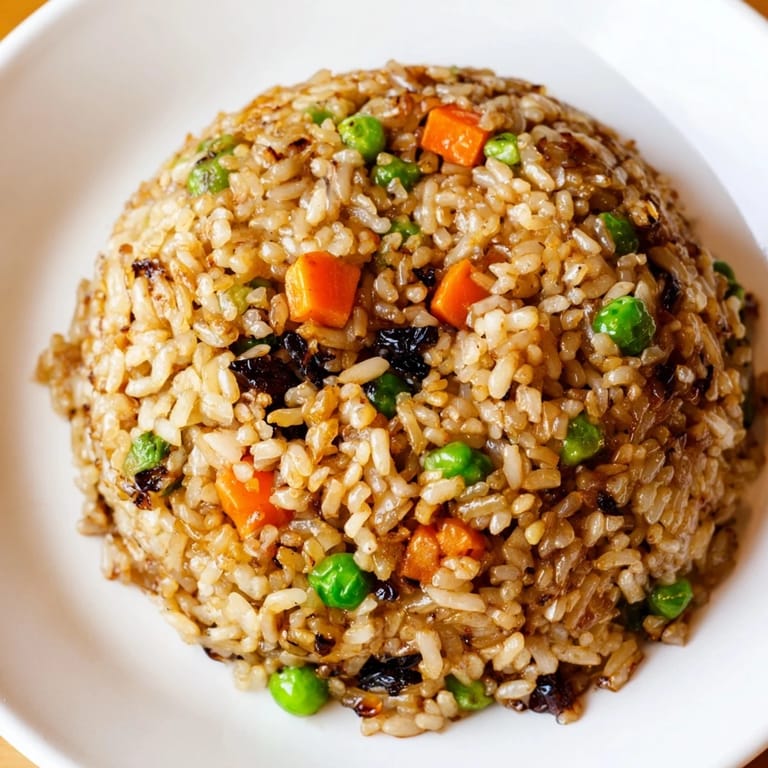
- Drizzle the toasted sesame oil over the top and toss one last time, then pull the pan off the heat. Scatter the green scallion tops over everything and serve it right away while it's still steaming.
 Save
Save This dish became my go-to whenever I needed comfort without the fuss. It's the kind of thing that feels like a hug in a bowl, especially when you eat it late at night with chopsticks and nothing else on the table. I've made it for friends who were having hard weeks, and every time, they go quiet for a few bites before asking what makes it taste so good.
Boosting the Protein
I've tossed in pan-fried tofu cubes, quickly seared shrimp, and even leftover rotisserie chicken, all of which work beautifully. Just cook your protein first in the same pan, set it aside with the eggs, and fold it back in at the end so everything stays tender and doesn't overcook.
Serving Suggestions
This fried rice loves a side of something sharp and tangy to cut through the richness. I usually set out a small dish of kimchi, pickled radish, or even a few slices of cucumber dressed in rice vinegar. The contrast wakes up your palate between bites and makes the whole meal feel more complete.
Storage and Reheating
Leftovers keep well in the fridge for up to three days in an airtight container, and they reheat beautifully in a hot pan with a splash of water to loosen things up. I've also packed this cold for lunch and eaten it straight from the container, and it still tastes great even when it's not piping hot.
- Add a drizzle of soy sauce or sesame oil when reheating to freshen up the flavors.
- If the rice dries out, a tablespoon of water and a quick toss over high heat will bring it back to life.
- Don't microwave it without covering, or the edges will turn hard and chewy.
 Save
Save This recipe taught me that sometimes the best meals come from a jar you almost forgot about and a bowl of rice that's been sitting too long. Keep it simple, trust the black garlic, and you'll have something special every single time.
Recipe FAQs
- → Why use day-old rice for fried rice?
Day-old rice has lower moisture content, allowing each grain to remain separate during cooking rather than clumping together. Fresh, warm rice tends to steam and stick, resulting in mushy fried rice. Refrigerate cooked rice overnight or spread it on a tray to cool quickly before using.
- → What makes black garlic different from regular garlic?
Black garlic undergoes fermentation, developing a sweet, mellow, umami-rich flavor with hints of molasses and balsamic notes. It's softer and less pungent than fresh garlic, adding depth without the sharp bite. Black garlic works beautifully in fried rice because it mellows further during cooking and releases its natural sweetness.
- → Can I substitute oyster sauce in this dish?
Yes, vegetarian alternatives like mushroom-based oyster sauce or soy sauce work well. For additional umami depth without oyster sauce, try adding a small splash of mirin or a pinch of monosodium glutamate-free umami seasoning. Adjust soy sauce quantities to taste, as different brands vary in saltiness.
- → How do I prevent the rice from sticking during stir-frying?
Break up cold rice clumps with a spatula before adding to the hot wok. Stir frequently over medium-high heat, keeping the rice moving constantly. Use enough oil to coat the rice lightly, and ensure your wok or pan is hot before adding rice to create a gentle separation effect.
- → What proteins pair well with black garlic fried rice?
Shrimp, diced chicken breast, and cubed tofu are excellent choices. Stir-fry proteins separately before adding vegetables, ensuring they're cooked through without overcooking. For vegetarian options, increase vegetables and add cashews or peanuts for textural variety and additional protein.
- → How do I achieve the authentic wok hei (breath of the wok) flavor?
Wok hei requires high heat and constant motion. Use a large wok over a strong flame, keep ingredients moving with a spatula, and work quickly. The combination of hot metal, minimal oil, and rapid tossing creates those slightly charred, smoky notes. Home cooks can approximate this with a very hot nonstick skillet and quick, decisive movements.