 Save
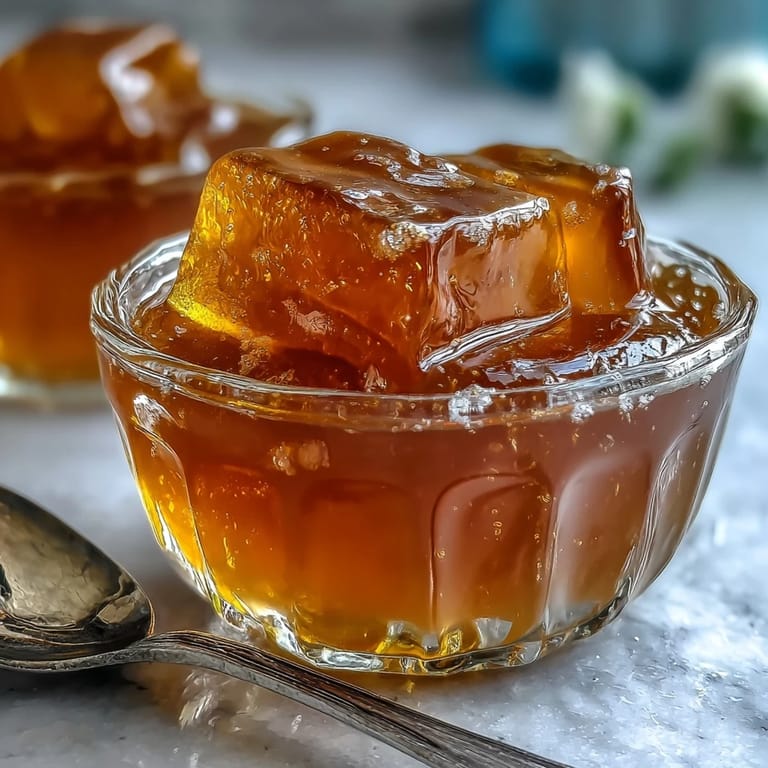
Save My neighbor casually mentioned she'd been foraging dandelions from her yard, and I found myself oddly curious about what to do with them beyond salads. That spring afternoon, I discovered dandelion jelly—a golden, delicate preserve that tastes like sunshine captured in a jar. The first batch was honestly more experiment than intention, but the moment I spread that translucent amber onto warm toast and tasted the subtle floral sweetness, I understood why foragers keep this secret close.
Last May, I made three batches to bring to a potluck where I barely knew anyone, and it became the conversation starter I didn't expect. Someone asked if I'd ordered it from a specialty shop, and admitting I'd foraged and made it myself opened up this whole wonderful discussion about wild foods and kitchen experiments. That jelly somehow made me feel less like a nervous newcomer and more like someone with an interesting story to tell.
Ingredients
- Dandelion petals: Use only the sunny yellow parts—the green bits underneath taste genuinely bitter and will ruin the delicate flavor you're working toward, so take a moment to separate them carefully.
- Water: Plain tap water works perfectly fine for building your floral infusion base.
- Freshly squeezed lemon juice: Bottled juice feels like cheating here, and the brightness of fresh lemon actually matters for balancing the floral notes and helping the jelly set.
- Powdered fruit pectin: This is your secret weapon for achieving that perfect wobble without boiling everything for hours.
- Granulated sugar: Standard white sugar is what you need—it dissolves cleanly and lets the dandelion flavor shine through.
Tired of Takeout? 🥡
Get 10 meals you can make faster than delivery arrives. Seriously.
One email. No spam. Unsubscribe anytime.
Instructions
- Harvest and rinse your petals:
- Pick dandelions from a clean area you're certain hasn't been sprayed, then gently remove every scrap of green from the base—your fingernails work better than a knife for this. Rinse them briefly under cool water, checking for any hidden bugs or debris, and lay them on a clean towel to dry slightly.
- Brew your golden infusion:
- Combine the petals and water in a saucepan and bring it to a boil, watching as the water turns pale yellow. Once it boils, lower the heat and let it simmer gently for about five minutes, then cover and walk away—this is when the real flavor work happens over the next four hours (or overnight if you're patient).
- Strain with intention:
- Pour everything through fine mesh or cheesecloth into a bowl, and resist the urge to squeeze hard—gentle pressing extracts the liquid without forcing through bitter particles. You should end up with about three and a half to four cups of clear, pale golden liquid.
- Build your jelly base:
- Pour your infusion into a large pot, add the lemon juice and pectin, and stir until the pectin dissolves completely. Bring this mixture to a rolling boil over high heat—you want it vigorous and unstoppable.
- Add sugar and reach setting point:
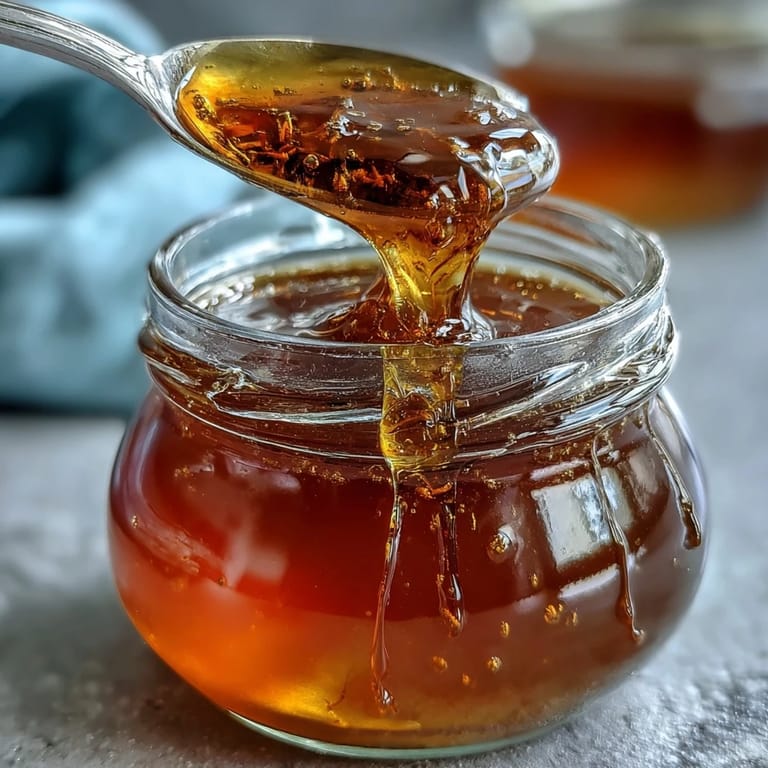
- Pour all the sugar in at once and stir constantly, bringing the whole thing back to a rolling boil. Let it boil hard for one to two minutes, then test by dropping a tiny spoonful onto a cold plate—if it wrinkles slightly when you push it with your finger, you've hit the perfect 220°F setting point.
- Jar and seal your work:
- Remove from heat and skim off any foam that's gathered on top with a spoon. Ladle the hot jelly carefully into clean, sterilized jars leaving a quarter-inch of headspace at the top, then wipe the rims, seal with lids, and process in a boiling water bath for ten minutes.
- Let time do the final work:
- Remove jars and let them sit completely undisturbed for twelve hours while they cool and set—this is not the time to check on them or peek. Once they're cool, press the center of each lid to confirm the seal took, then store in a cool, dark place.
 Save
Save My mom tried a jar of my dandelion jelly on her birthday toast, and the way she closed her eyes after that first bite made the whole foraging-and-canning process feel worthwhile. It wasn't just breakfast anymore—it was proof that paying attention to small, overlooked things in your own yard can create something genuinely delightful.
Finding and Foraging Dandelions Safely
The difference between a perfect dandelion jelly and a disappointing one often comes down to where your flowers came from. I learned this the hard way when I picked from a yard that turned out to have been treated with pesticides weeks earlier—the jelly developed a metallic aftertaste that lingered through the whole jar. Now I only forage from my own yard or from friends who I know haven't used chemicals, and I avoid roadside dandelions entirely since they've absorbed exhaust and road treatments. If you're uncertain about a location, it's worth asking the property owner directly or moving to somewhere you know is genuinely clean.
The Surprising Flavor of Spring
There's something almost magical about how delicate dandelion jelly tastes—it's floral without being perfume-y, slightly honey-like without actually being honey, and deeply tied to that exact moment in spring when everything is pushing through. The flavor isn't aggressive or bold; it's more like a whispered suggestion of flowers. This is why fresh lemon juice truly matters here rather than bottled—it brightens everything and keeps the jelly from becoming cloying, and it's also why you're straining so carefully rather than aggressively squeezing every last drop out of the petals.
Beyond Toast: Ways to Use Your Jelly
Once you've made your first batch, you'll start seeing uses for dandelion jelly everywhere—swirled into plain yogurt, thumbprinted into shortbread cookies, or even brushed as a glaze over roasted chicken or duck. A friend suggested I try it melted slightly and drizzled over creamy goat cheese on crackers, and that combination absolutely works. The tartness of the cheese against the floral sweetness creates this moment of surprise on your palate.
- Brush warm jelly onto fresh-baked scones or split biscuits while they're still hot for the most elegant breakfast moment.
- Add an unexpected twist to your next cake layer by spreading it between vanilla cake and cream cheese frosting.
- Gift it in small jars wrapped with twine—people genuinely treasure homemade preserves in a way store-bought items never quite achieve.
 Save
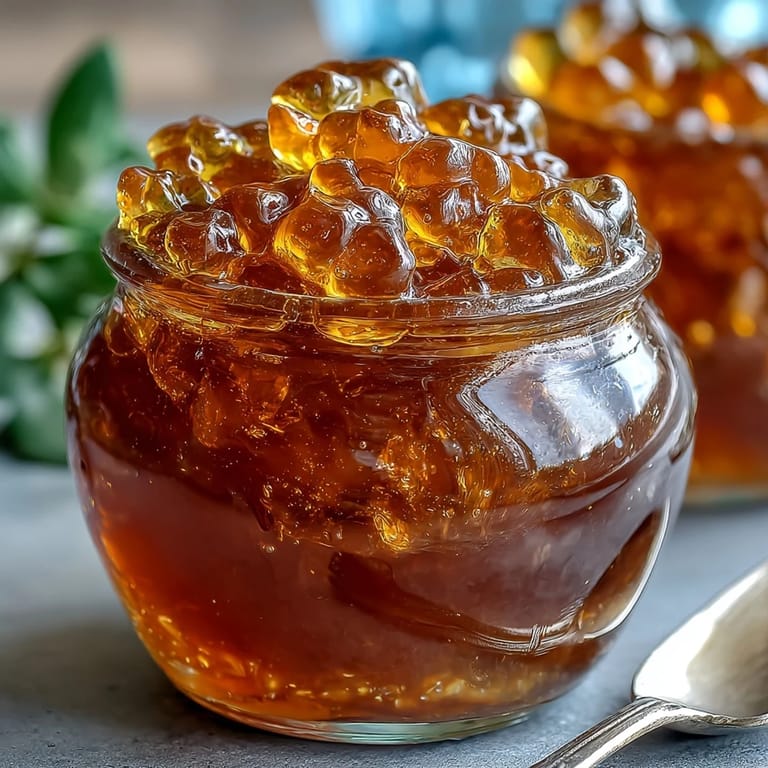
Save Making dandelion jelly feels like discovering a small, sustainable pleasure—you're using something that grows freely, creating something beautiful, and sharing it with people you care about. That's actually what keeps me coming back to forage and can every spring.
Recipe FAQs
- → How do I prepare the dandelion petals?
Remove all green parts such as sepals and stems to avoid bitterness, then rinse petals gently to clean.
- → What is the steeping time for the dandelion infusion?
Allow the petals to steep covered for 4 hours or overnight to enhance the floral flavor.
- → Can I add citrus flavors to the jelly?
Yes, adding orange zest with lemon juice gives a bright, citrusy twist to the flavor.
- → How do I know when the jelly has set properly?
Boil the mixture until it reaches 220°F / 104°C or shows a firm set when tested on a cold surface.
- → What are some serving suggestions?
Enjoy as a spread on toast or scones, or use as a glaze for cakes and pairings with cheese.
- → Is this suitable for special diets?
Yes, it is vegan and gluten-free, but always check sugar and pectin for any additives if sensitivities exist.