 Save
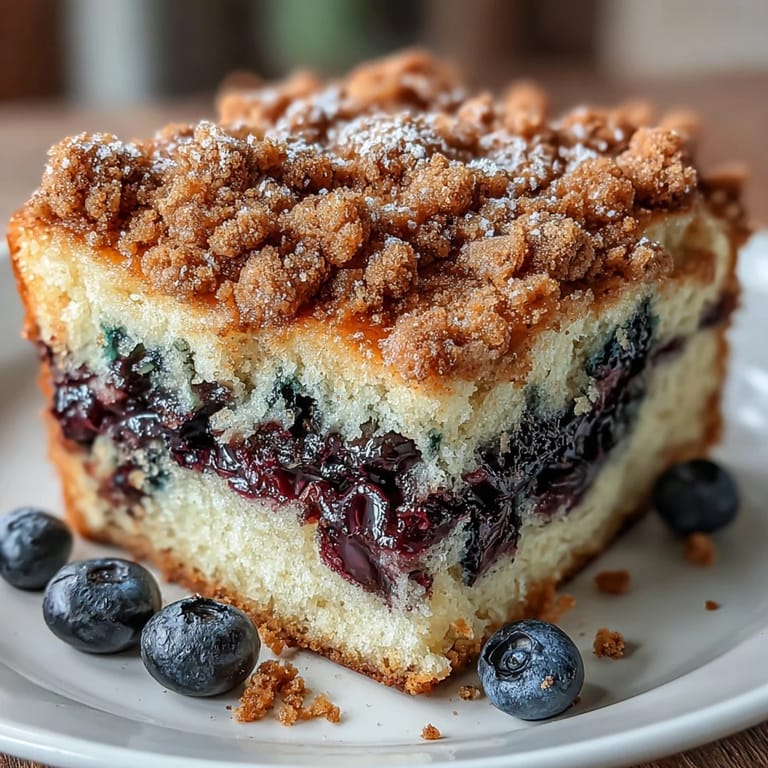
Save My sourdough starter had been neglected for weeks, sitting in the back of my fridge like a forgotten friend, when I decided to finally give it purpose beyond guilt. I was craving something bright and citrusy, and the idea of folding tangy starter into a lemon cake felt like the perfect second chance for both of us. The result—these tender squares studded with blueberries and topped with a buttery crumble—became my favorite way to use up that bubbly discard while actually impressing people at the breakfast table.
I brought these to a neighbor's weekend gathering, still slightly warm, and watched someone's whole face change when they took their first bite. They asked if I'd used a bakery recipe, and honestly, I felt a little proud explaining that my neglected starter had finally earned its keep. That moment sealed it for me—this wasn't just a way to use up ingredients, it was a real crowd-pleaser.
Ingredients
- Unsalted butter, softened (120 g / ½ cup): Use room temperature butter so it creams smoothly with sugar and creates those air pockets that make the cake tender.
- Granulated sugar (150 g / ¾ cup): This sweetens the batter while helping trap moisture throughout baking.
- Large eggs (2): These bind everything together and add structure, so make sure they're room temperature for proper incorporation.
- Sourdough starter (120 g / ½ cup): Discard or active, unfed starter works equally well here—the tang is what you're after, not the rise.
- Whole milk (240 ml / 1 cup): This keeps the cake moist and tender; don't skip it or substitute with water.
- Lemon zest (1 lemon): Zest before juicing to capture those bright oils that make the difference between okay and memorable.
- Fresh lemon juice (2 tbsp): Acidic juice balances the sweetness and plays well with the sourdough's tang.
- Vanilla extract (1 tsp): A small amount rounds out the flavor without making the cake taste like vanilla.
- All-purpose flour (250 g / 2 cups): Measure by spooning and leveling, not scooping, to avoid packing too much flour into the batter.
- Baking powder (2 tsp): This is your primary leavening agent, so don't use an old box hiding in your cabinet.
- Baking soda (½ tsp): It works with the sourdough's acidity to create extra lift and tender crumb.
- Fine sea salt (½ tsp): Salt enhances the lemon and blueberry flavors while rounding out the subtle tang.
- Fresh or frozen blueberries (200 g / 1½ cups): Frozen blueberries are a lifesaver—use them straight from the freezer so they don't bleed into the batter.
- Cold unsalted butter, diced (50 g / ¼ cup, for streusel): Keep this cold; dice it into small pieces so it creates those crunchy pea-sized crumbs.
- Light brown sugar, packed (65 g / ⅓ cup, for streusel): The molasses in brown sugar adds subtle depth to the topping.
- All-purpose flour (65 g / ½ cup, for streusel): This is what makes the streusel crispy and golden.
- Ground cinnamon (½ tsp, for streusel): A whisper of warmth that complements lemon and blueberry perfectly.
- Salt (pinch, for streusel): Even a tiny amount brings out the buttery, brown sugar notes.
Tired of Takeout? 🥡
Get 10 meals you can make faster than delivery arrives. Seriously.
One email. No spam. Unsubscribe anytime.
Instructions
- Get your oven and pan ready:
- Preheat your oven to 180°C (350°F) and line your 23 cm square pan with parchment paper, leaving enough overhang on two sides so you can lift the whole cake out later. This small step saves you from frustrated crumbling when it's time to cut.
- Build your streusel topping:
- Combine flour, brown sugar, cinnamon, and a pinch of salt in a small bowl, then add your diced cold butter and rub it between your fingertips until the mixture looks like uneven breadcrumbs with pea-sized pieces of butter still visible. Pop it in the fridge while you make the batter so the butter stays cold and creates that satisfying crunch.
- Mix your dry ingredients:
- In a medium bowl, whisk together flour, baking powder, baking soda, and salt, making sure there are no lumps hiding in the corners. Set this aside—you'll add it to the wet mixture in just a moment.
- Cream butter and sugar:
- In a large bowl, beat softened butter and sugar together for 2-3 minutes until the mixture is pale, light, and fluffy, like a cloud you could almost sink your hand into. This creaming step is where the magic happens, creating air pockets that make the cake tender.
- Bring in the eggs:
- Add eggs one at a time, beating well after each addition so they fully incorporate and the mixture stays smooth. If it looks slightly grainy, keep beating—it will come together.
- Add the sourdough magic:
- Stir in your sourdough starter, milk, lemon zest, lemon juice, and vanilla until everything is combined, which might take 30 seconds of stirring. Don't panic if the mixture looks slightly curdled—the sourdough's acidity and milk are just saying hello to each other.
- Bring wet and dry together:
- Add your dry ingredients to the wet mixture and stir gently until just combined, stopping as soon as you don't see streaks of flour anymore. Overmixing creates a tough cake, so resist the urge to beat it into submission.
- Fold in the blueberries:
- Gently fold in your blueberries with a spatula, being careful not to crush them so much that they turn the batter purple. If using frozen blueberries, don't thaw them first—the ice keeps them from bleeding.
- Spread and top:
- Pour the batter evenly into your parchment-lined pan, smooth the top with a spatula, then sprinkle your cold streusel topping evenly across the surface. The contrast between the moist cake and crispy topping is what makes these squares unforgettable.
- Bake until golden:
- Bake for 35-40 minutes, until the top is golden brown and a toothpick inserted into the center comes out clean or with just a few moist crumbs clinging to it. The kitchen will smell incredible, and that's how you know it's almost time.
- Cool with patience:
- Let the cake cool in the pan for 15 minutes so it sets enough to handle, then use the parchment overhang to lift the whole thing onto a wire rack to cool completely. Cutting into a warm cake is tempting, but waiting gives you clean squares instead of crumbly chaos.
 Save
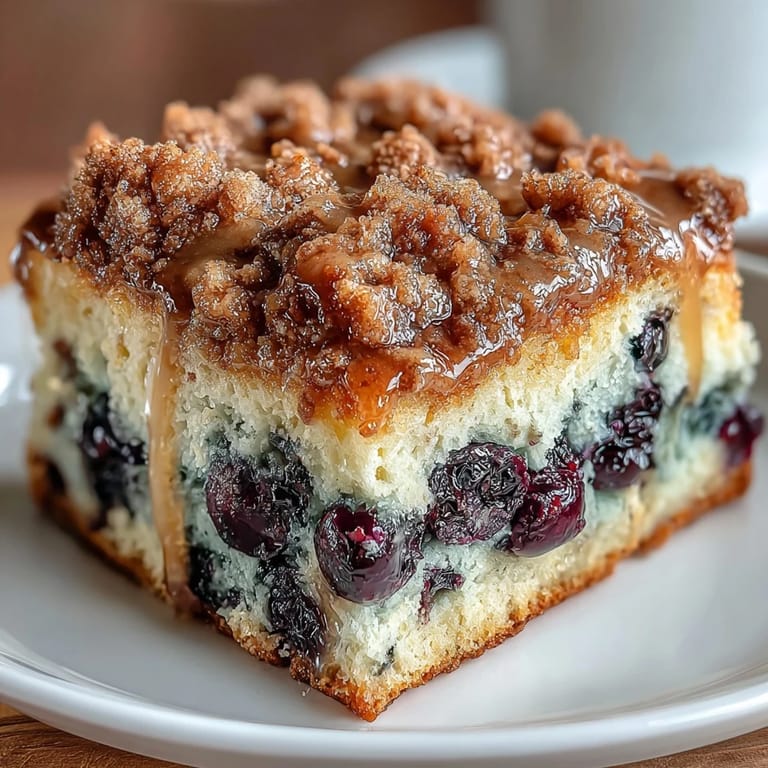
Save A friend called while I was slicing these into perfect squares, and when I explained what I'd made, she asked me to save her one. I did, and when she tried it an hour later, sitting at my kitchen counter with coffee, she closed her eyes on that first bite—the kind of moment that reminds you why baking for people matters.
Why Sourdough Starter Changes Everything
Using sourdough starter in baked goods beyond bread was a revelation I stumbled into almost by accident, and it completely changed how I think about these forgotten jars sitting in the fridge. The starter doesn't make the cake taste sour or yeasty; instead, it adds complexity and moisture while reducing the amount of baking soda and powder you'd normally need. If you've been hesitant about baking with starter because you thought it would taste funky, this recipe proves that's not how it works at all. The lemon and blueberries shine, and the starter just quietly makes everything better, like a team player in the background.
The Blueberry Question: Fresh vs. Frozen
I used to believe fresh blueberries were always superior, but honestly, frozen berries have taught me to let go of that snobbery. Frozen blueberries are picked at peak ripeness and frozen immediately, so they're often more flavorful than fresh ones that have traveled across the country in a truck. The real trick is using them straight from the freezer without thawing, which keeps them from bleeding into your batter and turning everything an unappetizing purple-gray. If you do use fresh blueberries, toss them lightly in a tablespoon of flour before folding them in—this helps them stay suspended in the batter instead of sinking to the bottom.
Make It Your Own
Once you've made this recipe once and fallen in love with the basic formula, it becomes a canvas for your own creative riffs. I've tested a pecan version that adds ½ cup chopped toasted pecans to the streusel, creating a nuttier, more indulgent top layer that changes the whole vibe. The lime and blueberry combination is also gorgeous if you want to shake things up while keeping everything else the same. One more thing worth experimenting with is adding a ½ teaspoon of lemon extract to the batter for even more pronounced citrus flavor, though this is entirely optional and the fresh zest and juice are honestly enough.
- Toast your pecans in a dry skillet for a few minutes before chopping to deepen their flavor and make them taste less like an afterthought.
- If you swap lime for lemon, use the same amount of juice and zest so the balance stays true to the original.
- Always taste your sourdough starter before using it—it should smell pleasantly tangy, not acetone-like or off, which means it's past its prime.
 Save
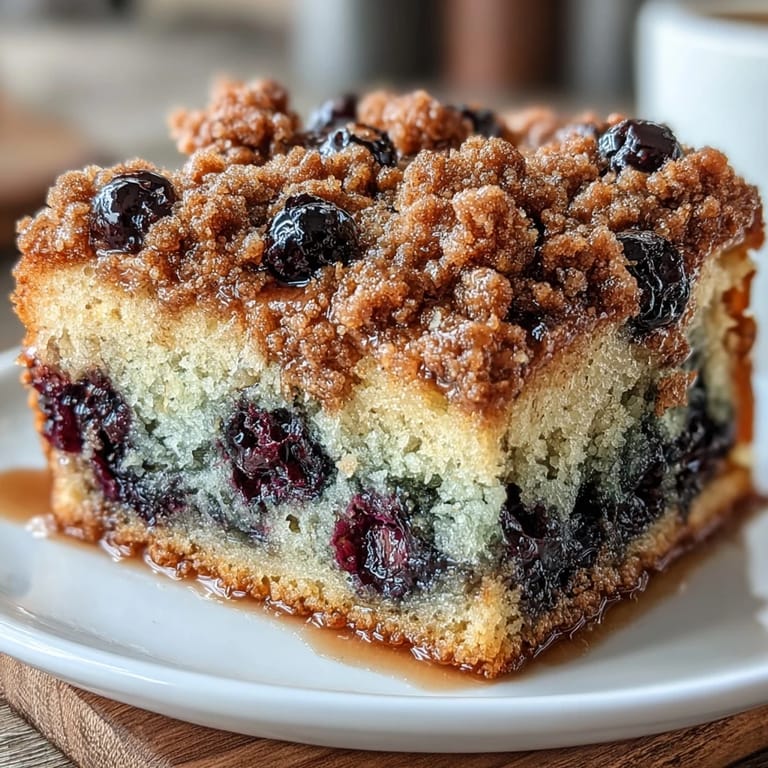
Save These squares have become my go-to when I want to impress without spending all day in the kitchen, and they've also become my answer to the question of what to do with that neglected sourdough starter. Bake a batch this weekend and watch how quickly they disappear.
Recipe FAQs
- → What does sourdough add to the batter?
Sourdough starter contributes a gentle tanginess and moist texture, enhancing the flavor complexity of the batter.
- → Can frozen blueberries be used?
Yes, frozen blueberries can be folded in directly without thawing, preserving their juiciness during baking.
- → How is the streusel topping prepared?
The streusel is made by rubbing cold butter into a mixture of flour, brown sugar, cinnamon, and salt until crumbly, then chilled before sprinkling over the batter.
- → What is the best way to bake these squares evenly?
Use a parchment-lined 9-inch square pan and bake at 350°F (180°C) until a toothpick comes out clean and the top is golden brown.
- → Can nuts be added to the topping?
Yes, adding chopped toasted pecans to the streusel creates a nutty flavor and extra crunch.
- → Is it possible to vary the citrus flavor?
Replacing part of the lemon juice with lime juice offers a refreshing citrus variation to the squares.