 Save
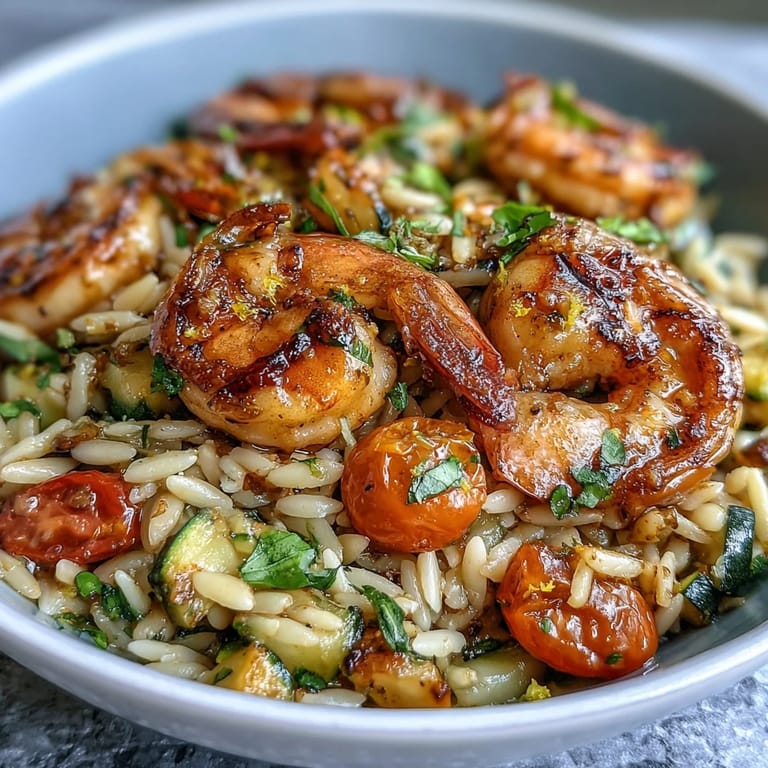
Save The first time I tossed shrimp together with orzo and lemon in one pan, the kitchen filled with an aroma so fresh and bright I had to pause for a moment. It was early summer, and the sunlight streamed through the window, drawing sharp lines across the counter. My curiosity about Mediterranean flavors had me experimenting that day—zucchini from the garden, juicy cherry tomatoes, and a pile of parsley waiting to be chopped. Instead of being distracted, I focused on every sizzle and steam, letting the scent of garlic mingle with butter as I stirred. There was a playful energy in creating something colorful and quick with just a handful of familiar, sunny ingredients.
I remember cooking this for friends last July, when everyone arrived hungry and warm from a late hike. The one-pan method meant I could chat and stir without fussing over multiple pots, and everyone gathered around just as the shrimp went back in and the whole skillet glowed golden. People commented on how the lemon lifted the dish, and even a kitchen mishap—a missing lid—only made the orzo a little extra tender and no less delicious. Serving straight from the pan at the table gave the meal a relaxed, communal feeling. Even the cleanup felt celebratory with so many hands helping.
Ingredients
- Shrimp: Choose large, fresh shrimp for the juiciest bites, and pat them dry to get a quick sear without stewing, which I learned improves their texture.
- Orzo pasta: The orzo acts as a tender base; toasting it in butter before adding broth gives a nutty richness that’s worth the extra minute.
- Cherry tomatoes: Halved tomatoes add sweet bursts, and I always prefer the ripest ones for maximum flavor and a splash of color.
- Zucchini: Dice the zucchini evenly so it cooks through without turning mushy—I started carefully after getting uneven bits early on.
- Garlic: Fresh minced garlic underpins the dish—watch it carefully so it doesn’t burn, which I learned the hard way.
- Chicken or vegetable broth: Using low-sodium gives control over the saltiness; a gentle simmer melds the flavors beautifully.
- Lemon zest and juice: Zest before juicing to save your knuckles, and use both parts for layered citrus flavor that wakes up the orzo and shrimp.
- Unsalted butter: Divide the butter, adding some early for toasting and finishing the dish with the rest for silky richness and gloss.
- Olive oil: A drizzle at the start helps shrimp and veggies mingle with mellow flavor; choose a fruity one if possible.
- Salt, pepper, red pepper flakes: Adjust these as you cook—red pepper flakes can sneak up, so sprinkle lightly unless you love a kick.
- Parsley: Chopped fresh parsley is the final color pop; I learned to add it right at the end so it stays vivid.
Tired of Takeout? 🥡
Get 10 meals you can make faster than delivery arrives. Seriously.
One email. No spam. Unsubscribe anytime.
Instructions
- Season the shrimp:
- Pat shrimp dry and toss with a pinch of salt and pepper—it helps the shrimp char rather than steam.
- Sear and set aside:
- Heat 1 tbsp butter and 1 tbsp olive oil in a large skillet over medium, then cook shrimp in a single layer, turning after 1–2 minutes per side until pink. Remove them so they stay tender and avoid overcooking.
- Sauté veggies:
- Add remaining olive oil and sauté garlic for 30 seconds until the scent intensifies; toss in zucchini and cherry tomatoes and cook until just softened, about 2–3 minutes.
- Toast the orzo:
- Stir in orzo and let it toast for 1 minute; you’ll hear it sizzle, and the butter coats every piece for deeper flavor.
- Simmer:
- Pour in broth, lemon zest, and half the lemon juice. Bring to a gentle boil, then cover and simmer 8–10 minutes, stirring occasionally until orzo is just tender and the liquid is mostly absorbed.
- Finish and combine:
- Return shrimp and any juices to the pan, add remaining butter and lemon juice, and stir gently to combine. Heat through for 1–2 minutes until shrimp are warmed and glossy.
- Garnish and serve:
- Remove from heat, sprinkle chopped parsley, check seasoning, and serve straight from the pan while everything is fresh and aromatic.
 Save
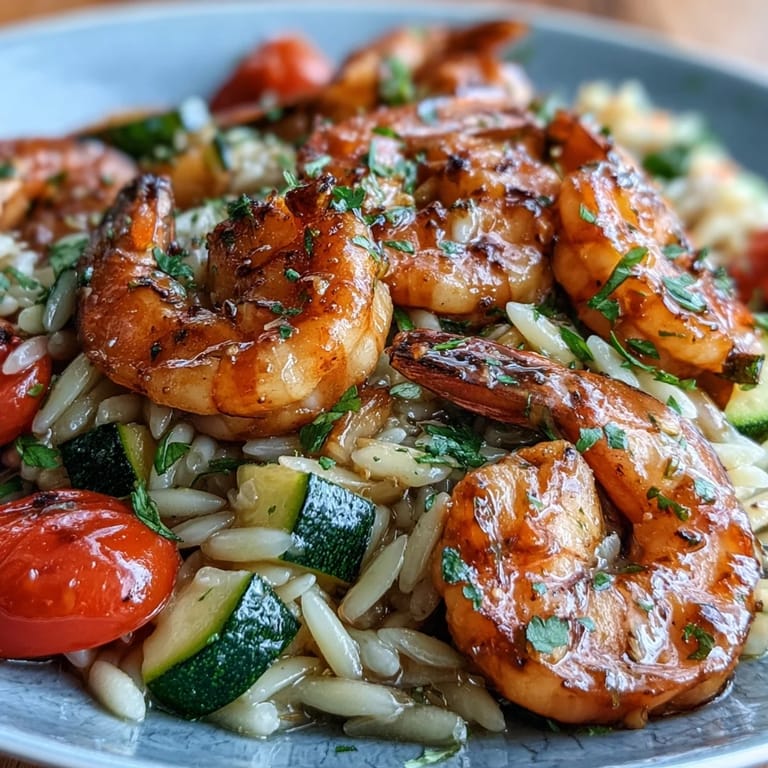
Save The dish took on new meaning one autumn evening when it became comfort food after a long, rainy day. The warmth from the skillet and the tangy lemon lifted everyone’s damp spirits, and even quiet people lingered in the kitchen, scooping seconds for themselves. Food seemed to bridge the gap between seasons—each bite felt both fresh and soothing. It was less about Mediterranean sunshine and more about bringing brightness indoors. The leftovers made the next day just as cheerful.
Getting the Most Flavor
Once, I started with cold veggies and learned it helps them stay crisp and avoid mush. Toasting the orzo is a tiny step that makes a big difference—the aroma changes, and you’ll notice each bite feels fuller. If you use broth from a carton, let it reduce a minute before adding orzo to intensify the savory notes. Adding the lemon zest with the broth lets the fragrance bloom as everything simmers. Be patient with the simmering; rushing makes the orzo unevenly cooked.
Making it Your Own
Swapping in asparagus or bell pepper offers a new texture and playful color. For a dairy-free twist, olive oil works wonders—I tried it once for a friend and the finish stayed just as glossy. If you like extra greens, toss in spinach during the last few minutes, and it will wilt perfectly without overwhelming the dish. Gluten-free orzo can stand in if needed, though the cooking time might vary a touch. Pairing the meal with chilled white wine makes every bite feel like an occasion.
Final Touches for Success
Timing is everything—keep an eye on the shrimp and orzo so nothing overcooks. That last squeeze of lemon and a handful of parsley right before serving keeps the flavors vivid and lively. Don’t forget to taste before serving, since broth and butter can change seasoning quickly.
- Let the shrimp rest before adding them back in for tenderness.
- Always zest lemons on a microplane for extra aroma.
- Stir gently at the end so the shrimp stay whole and juicy.
 Save
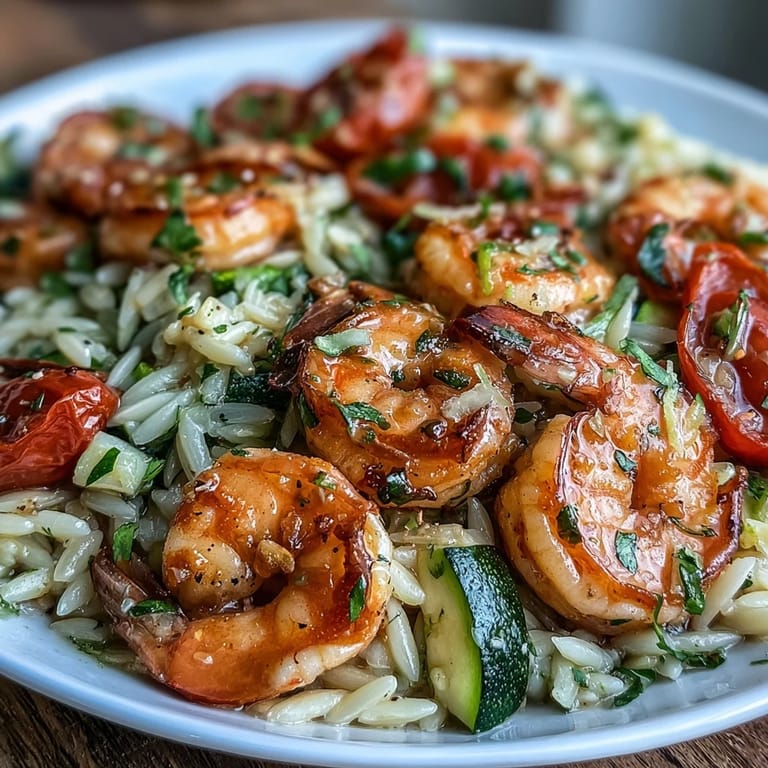
Save Cooking this dish never fails to bring brightness to dinner and a relaxed mood to the kitchen. I hope your pan fills up with flavor and laughter every time you make it.
Recipe FAQs
- → What type of shrimp works best?
Large, peeled and deveined shrimp are ideal for quick cooking and juicy texture in this dish.
- → Can I use a different grain instead of orzo?
Small pasta shapes or gluten-free orzo can substitute, adjusting cooking time as needed.
- → How can I make this dairy-free?
Replace butter with olive oil for a creamy texture without dairy components.
- → What other vegetables can I include?
Try baby spinach, asparagus, or bell peppers for added color and flavor variations.
- → Is it possible to prep ahead?
Chop vegetables and season shrimp in advance; cook everything together just before serving for best freshness.
- → Is this suitable for pescatarians?
Yes, the dish features shrimp and vegetables, making it a great option for pescatarian diets.