 Save
Save The first time I encountered Shuwa, it wasn't in a recipe book but in the telling—my friend describing how her family would prepare this dish for celebrations, how the whole house would smell of cinnamon and cardamom hours before anyone arrived. She mentioned wrapping the meat in banana leaves like a gift, and how patience was the real ingredient. That conversation stayed with me, and when I finally tried making it, I understood why this Omani feast feels like ceremony on a plate.
I made this for a small dinner party on a cool autumn evening, and watching my guests unwrap those banana leaf parcels felt like unveiling something special. The steam rose up, carrying all those spices with it, and someone said it smelled like a different country. That's when I realized Shuwa isn't just food—it's an experience, a way of slowing down and honoring the dish by taking time with it.
Ingredients
- Bone-in lamb shoulder or leg (2.5 kg): The bone keeps the meat moist and adds incredible flavor to the dish, so don't be tempted to use boneless cuts.
- Garlic paste (4 tbsp): Fresh minced garlic beats jarred—it becomes almost sweet after all those hours of cooking.
- Ginger paste (2 tbsp): Freshly grated ginger adds a warmth that dried never quite captures.
- Ground coriander (2 tbsp): This is the backbone of the spice blend, earthy and slightly citrusy.
- Ground cumin (1.5 tbsp): Brings depth and a toasted quality to the marinade.
- Ground cinnamon (1 tbsp): Use the good stuff—it should smell like comfort when you open the jar.
- Ground cardamom (1 tbsp): This is the spice that makes people ask what you're cooking, so don't skimp on it.
- Ground black pepper (1 tbsp): Fresh from your grinder if possible—pre-ground loses potency quickly.
- Ground cloves (2 tsp): A little goes a long way, and they mellow beautifully over time.
- Paprika (2 tsp): Adds color and a gentle pepper note without heat.
- Turmeric (1 tsp): Both for earthiness and its beautiful golden hue.
- Chili powder (2 tsp): Adjust this based on your heat preference—I keep mine toward the gentler side.
- Salt (2 tsp): Taste as you go; some meat is saltier than others.
- White vinegar (1/4 cup): The acidity helps tenderize the meat and brightens the spices.
- Vegetable oil (1/4 cup): Helps the marinade coat everything evenly and richly.
- Lemon juice (from 2 lemons): Fresh lemon is non-negotiable here—bottled just doesn't have the same lift.
- Banana leaves (4–6 large): They wrap the meat like nature intended and impart a subtle, authentic flavor that nothing else quite matches.
Tired of Takeout? 🥡
Get 10 meals you can make faster than delivery arrives. Seriously.
One email. No spam. Unsubscribe anytime.
Instructions
- Build your spice foundation:
- Combine all the marinade ingredients in a large bowl and stir until you have a fragrant paste that looks almost alive. Take a moment to appreciate the smell—that's your signal that the spices are balanced.
- Score the meat:
- Use a sharp knife to make deep cuts all over the lamb, about a centimeter apart and going about an inch deep. These cuts are like little highways for the spices to travel down into the heart of the meat.
- Massage in the marinade:
- Don't be shy here—really work the paste into every cut, over the surface, and into any crevices you can find. Your hands are the best tool for this job, and the tactile process connects you to what you're making.
- Let time do its magic:
- Cover and refrigerate for at least 8 hours, though 24 hours is ideal if you have the patience. I usually set a reminder to turn the meat once, but honestly, it's not essential—the marinade has already done the work.
- Heat your oven slowly:
- Preheat to 160°C (320°F) about 30 minutes before cooking. This low, gentle heat is crucial to keeping the meat moist and tender rather than dried out.
- Wrap with intention:
- Pat the banana leaves dry and wrap the marinated meat snugly, like you're tucking it into bed. If leaves tear, overlap them—the goal is a protective cocoon. Secure everything with kitchen twine so nothing comes loose during cooking.
- Roast low and long:
- Place the wrapped meat in a roasting pan, cover with a lid or foil, and let it cook for 4–6 hours. The longer it goes, the more tender it becomes—I usually aim for the longer end of that range.
- Unwrap and discover:
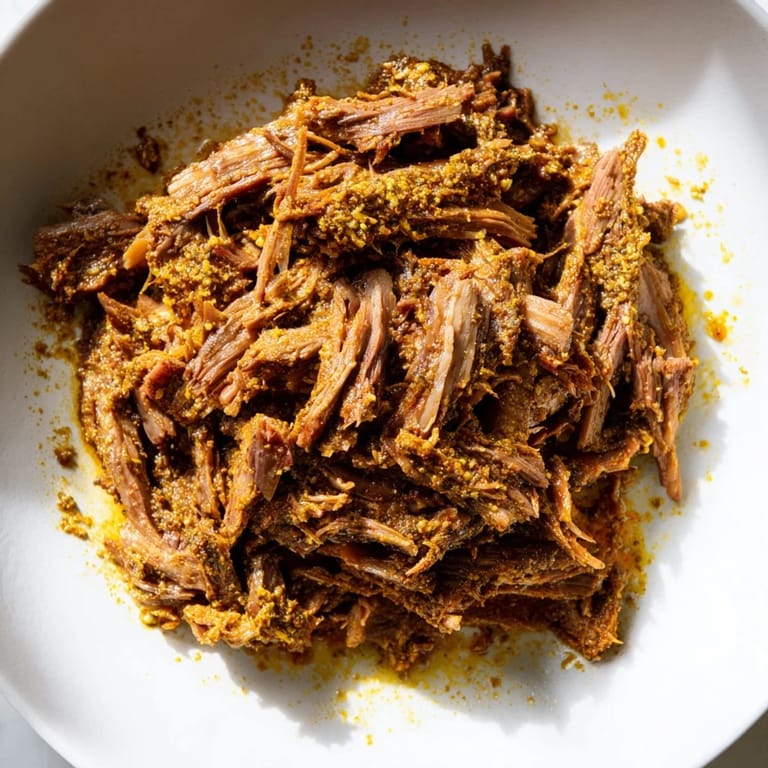
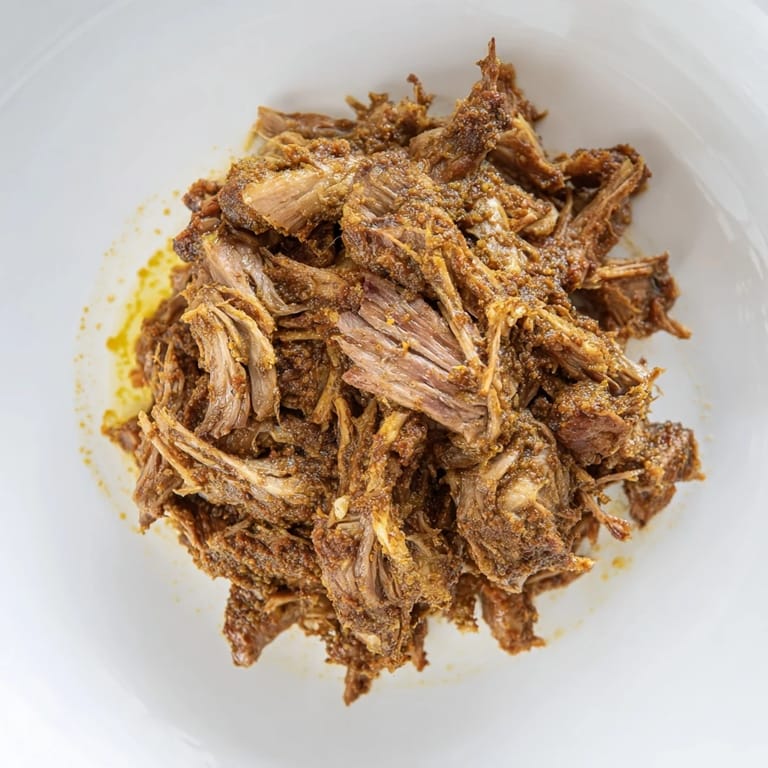
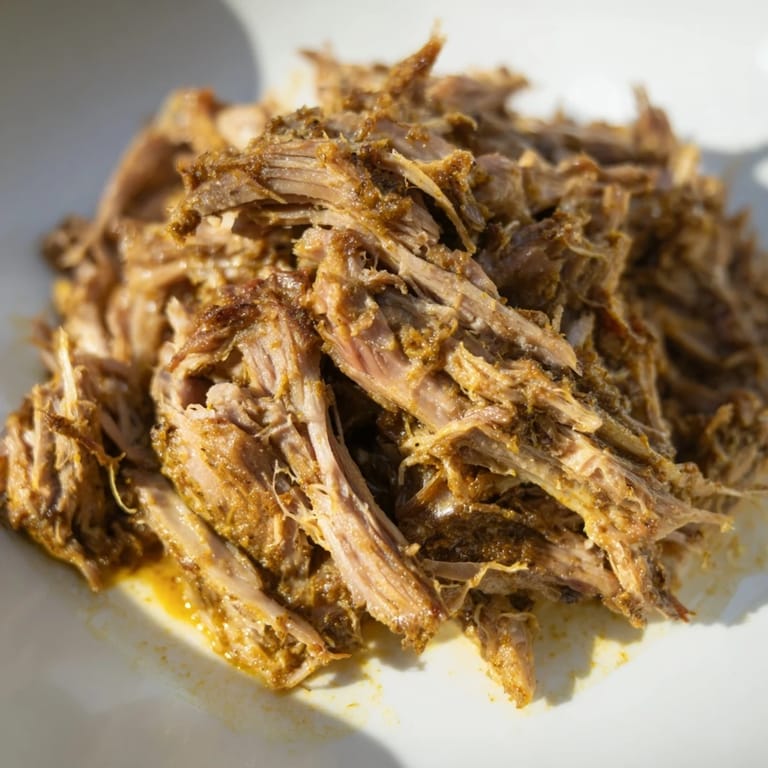
- Remove from the oven and carefully unwrap the banana leaves, being careful of the steam. The meat should shred easily with a fork, and the aroma will fill your entire kitchen.
 Save
Save There's a moment, just after you unwrap that banana leaf package and the steam rises up, when you realize why this dish has survived centuries in Omani kitchens. It's not complicated or trendy—it's just meat, spices, time, and respect for the ingredient. That moment always reminds me that the best cooking isn't about showing off; it's about letting simple things become extraordinary.
Choosing Your Meat
Lamb is traditional and frankly unbeatable—the fat renders beautifully and keeps the meat moist through hours of cooking. That said, beef works wonderfully too if lamb isn't available or if you prefer something milder. Goat is the authentic alternative in Oman and has a leaner, slightly gamier quality that some people prefer. Whatever you choose, bone-in cuts are essential because the bone adds collagen and flavor that you can't replicate any other way. I've tried boneless cuts out of convenience, and they never quite have the same soul.
About Those Spices
This isn't a casual spice situation—each one plays a role in creating that complex, warm flavor that makes Shuwa recognizable. Coriander and cumin are the foundation, cinnamon and cardamom bring the sweetness and warmth, and the other spices layer in depth. Buy whole spices if you can and grind them yourself; they'll taste noticeably fresher than pre-ground, and grinding them fills your kitchen with an aroma that's worth the extra step. If you're nervous about the heat level, start with 1 tsp of chili powder instead of 2 and taste before serving—you can always add more, but you can't take it back.
Banana Leaves and Alternatives
Banana leaves are available at most international markets, frozen sections, and increasingly at regular grocery stores—they're worth seeking out because they add an authentic, subtle flavor that's part of the dish's identity. If you absolutely can't find them, parchment paper works functionally, though you'll lose some of that specific taste. Foil is the last resort—it works, but the result feels more like roasting than like Shuwa. Once you unwrap the leaves, don't throw them away; they're beautiful on a platter beneath the finished meat, and they tell the story of how this dish was made.
- Soak frozen banana leaves in warm water for a few minutes to make them pliable before wrapping.
- If leaves are very large, you can cut them in half and use two pieces to wrap the meat instead of wrestling with one giant leaf.
- The slight char or darkening on the leaves as they cook is normal and adds to the rustic appeal.
 Save
Save Shuwa has a way of turning an ordinary dinner into something memorable, the kind of meal people talk about for weeks afterward. Make this when you want to slow down and celebrate—whether it's a special occasion or just a Tuesday when you deserve something extraordinary.
Recipe FAQs
- → How long should the meat marinate for optimum flavor?
Marinating between 8 to 24 hours allows the spices to deeply infuse the meat, enhancing tenderness and flavor.
- → Can banana leaves be replaced if unavailable?
Yes, parchment paper or heavy-duty foil can be used, but banana leaves impart a unique smoky and earthy aroma.
- → What is the best cut of meat to use in this preparation?
Lamb shoulder or leg with bone-in are ideal for slow-cooking and absorbing the marinade flavors thoroughly.
- → How is the dish traditionally cooked versus this adapted method?
Traditionally, the meat is cooked in underground sand ovens, but this version uses slow roasting in a conventional oven wrapped in leaves or foil.
- → What side dishes complement this slow-cooked meat?
Serve alongside spiced rice, fresh salad, and a cooling yogurt sauce to balance the rich flavors.