 Save
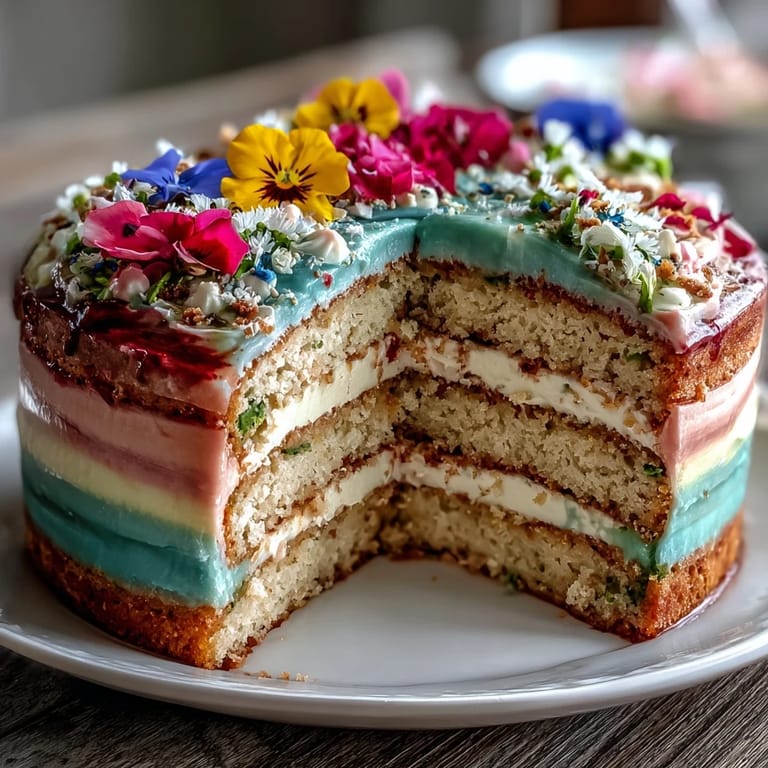
Save A pastel ombre cake always reminds me of the first time I tried to bake with color—my kitchen looked like a painter's studio afterward, and I ended up with flour dusting the windowsill. I still hear myself humming as I mixed those soft hues, watching them swirl into the batter and imagining the burst of spring sunshine that would greet the final cake. The gentle scent of vanilla and butter filled the air, mingling with the anticipation of transforming simple ingredients into something truly celebratory. Sometimes I bake just for the joy of those moments, curious to see how the colors will turn out. This cake, crowned with edible flowers, became a canvas for both taste and beauty.
One spring afternoon, I made this cake for a friend's birthday picnic, and the surprise on her face when she saw the delicate flowers perched on top is still a favorite memory. We laughed over the slight tilt in the layers, which nobody noticed once the edible blooms took center stage. The whole group reached for seconds, drawn in by the cake's colors and fresh flavor. Even the bees seemed interested, hovering near our plates, making us feel as if we'd baked something straight from a meadow. It was the kind of moment that turns a recipe into tradition.
Ingredients
- All-purpose flour: Sifting flour before measuring keeps the layers light and prevents lumps, a tip learned after a few dense cakes.
- Baking powder and soda: These give the cake its gentle lift; fresh leaveners ensure a beautifully airy crumb every time.
- Salt: Just enough brings out the flavors without overpowering, and I always sprinkle it with a flourish.
- Unsalted butter: Room temperature butter whips up fluffy and makes the cake feel extra indulgent—don't rush it.
- Granulated sugar: Creaming sugar with butter until pale sets up that soft, sweet bite.
- Eggs: Letting eggs come to room temp helps them blend seamlessly and gives the cake that tender texture.
- Pure vanilla extract: The aroma alone lifts the cake—splurge on quality vanilla for a richer flavor.
- Whole milk: Room temperature milk stops the batter from curdling and creates a silky smooth cake.
- Gel food coloring: Gel colors are vibrant but subtle; always start with a tiny amount and adjust for that dreamy pastel look.
- Powdered sugar: Sifted powdered sugar makes for smooth, flawless buttercream—no lumps sneaking in.
- Edible flowers: Carefully picked, clean flowers add a magical finish; make sure they're edible and pesticide-free, or skip for a nature-inspired look.
Tired of Takeout? 🥡
Get 10 meals you can make faster than delivery arrives. Seriously.
One email. No spam. Unsubscribe anytime.
Instructions
- Get the pans ready:
- Preheat your oven and line the pans with parchment; feel the warmth start to fill the kitchen as you organize.
- Mix the dry ingredients:
- Sift flour, baking powder, baking soda, and salt into a bowl, watching the fine powder float up before whisking them together.
- Cream the butter and sugar:
- Beat butter and sugar until light and fluffy—let your mixer do the work while you sneak a taste of vanilla aroma.
- Add the eggs and vanilla:
- Crack eggs one by one into the bowl; listen for each soft plop, stirring gently and savoring the smooth batter.
- Blend in the flour and milk:
- Alternately mix in flour and milk, being careful not to overwork; the batter should look creamy, not dry.
- Color and divide the batter:
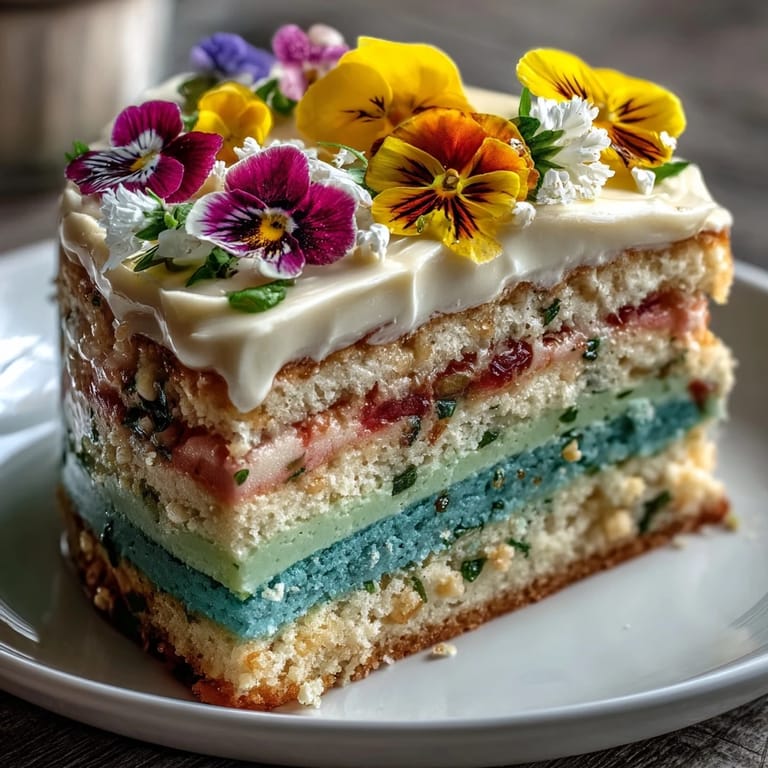
- Pour batter into three bowls and add gel coloring; swirl pastel hues with a spatula for a gentle ombre effect.
- Bake the layers:
- Evenly spread batters into pans, then bake—your kitchen will fill with the promise of vanilla and spring.
- Cool and prepare for assembly:
- Let cake layers cool fully on racks; their delicate colors brighten as they rest.
- Make the buttercream:
- Whip butter until creamy, then add powdered sugar and vanilla, finishing with a splash of milk for the right texture.
- Tint and frost the cake:
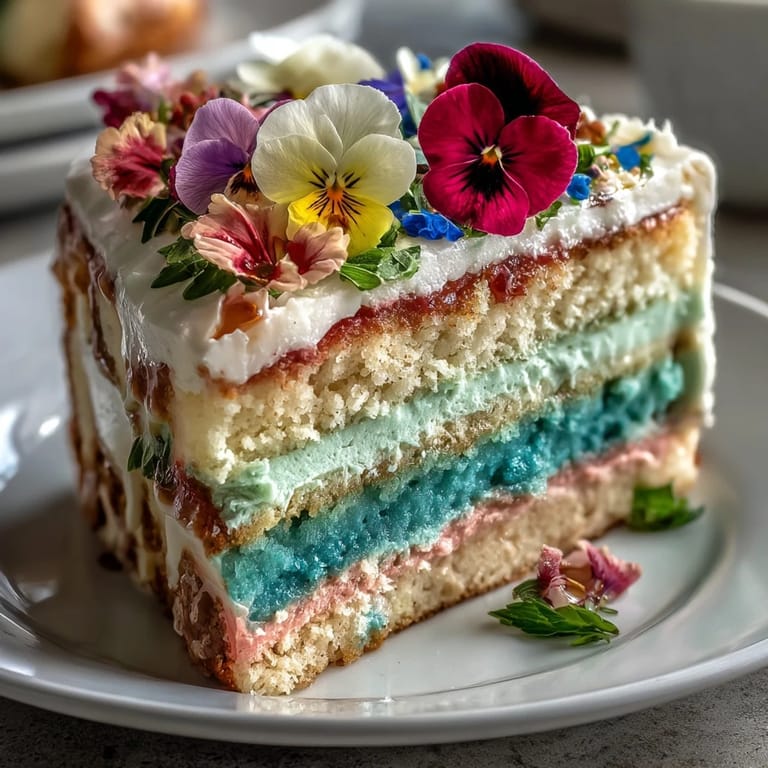
- Divide frosting, blend colors, and frost layers, pausing to admire the ombre blend—chill for a few minutes before final touches.
- Add floral topper:
- Arrange edible blooms gently on top, making the cake a centerpiece that's almost too pretty to slice.
 Save
Save Sharing this pastel ombre cake at my own spring brunch, I watched everyone linger over the dessert table, reluctant to break the floral display. That moment made me realize how food sometimes acts as an invitation for conversation and delight, transforming a meal into something memorable.
Choosing Your Colors and Flowers
Experimenting with shades was half the fun for me; swirling in just a drop at a time made each batch unique. I always check my edible flowers for freshness and flavor—sometimes they add a subtle citrus or herbal note that pairs beautifully with the cake. Don't be afraid to mix colors or stack different petals for extra dimension. Remember, pastel is forgiving; even imperfect gradients look charming.
Buttercream Blending Secrets
When I first tried ombre frosting, I used too many colors and the result was a muddled mess—but a quick fix was simply blending with an offset spatula in gentle sweeps. Chilling the cake between layers helps the buttercream set, and scraping the sides with a turntable gives control over the finished look. It's much easier to get that dreamy gradient if you frost in thin layers and build up the color gradually. Patience truly pays off.
Serving and Storing Tips
If you make this cake ahead, store it without the flowers to keep them fresh and vibrant for serving. Bring the cake to room temperature before slicing so the buttercream is nice and soft. I always cut with a warm knife for clean slices—running it under hot water does wonders. Enjoy the leftovers within three days for peak flavor, though it rarely lasts that long!
- Save extra buttercream for quick patch-ups before presenting.
- Add flowers just before guests arrive for the freshest finish.
- Keep any uneaten cake covered to prevent drying out.
 Save
Save This cake turns any occasion into a celebration, and the simple act of arranging pastel blooms is always worth the effort. May your baking be colorful and your kitchen happy!
Recipe FAQs
- → How do I achieve smooth pastel ombre layers?
Divide batter evenly and tint with gel food coloring for consistent hues. Bake in separate pans for defined layers.
- → What types of edible flowers can I use?
Pansies, violas, roses, and chamomile are popular. Always select organic, labeled edible flowers for safety.
- → Can I make this dessert vegan?
Substitute butter, milk, and eggs with plant-based alternatives for a vegan-friendly option.
- → How do I get fluffy buttercream?
Beat butter until creamy, gradually add powdered sugar and vanilla, then milk or cream to reach desired consistency.
- → Is special equipment needed?
Basic tools like cake pans, electric mixer, spatulas, and wire rack are used. Cake turntable helps with smooth frosting.
- → Are there allergen concerns with edible flowers?
Flowers may cause reactions for sensitive individuals; verify their suitability and source organic options.