 Save
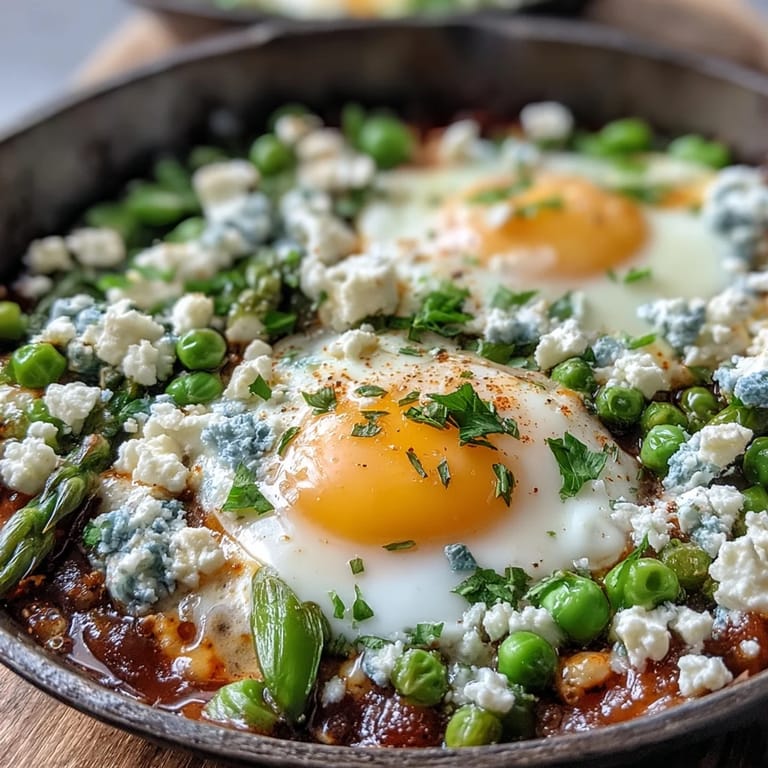
Save The gentle sizzle of the pan and the vibrant green of peas and broad beans is what first drew me to this dish. On a chilly spring morning, when the asparagus had just come into season, I found myself craving something beyond the traditional tomato-based shakshuka. The market's bounty inspired this verdant twist, combining the comfort of runny eggs with the freshness of spring vegetables. What began as improvisation has become a weekend ritual when friends gather around our kitchen island.
Last April, my sister visited from overseas and I was determined to make something memorable for her first morning. The kitchen filled with aromatic spices while we caught up on months of stories, and when I cracked those eggs into the vibrant green-red sauce, her eyes widened with anticipation. We ate straight from the pan, tearing pieces of crusty sourdough to mop up every last bit, laughing as yolk dripped down our chins. She took the recipe home to Tokyo, sending me photos whenever she makes it.
Ingredients
- Fresh or frozen peas and broad beans: The stars of this spring version, bringing sweetness and a beautiful pop of green that transforms traditional shakshuka.
- Asparagus: Adds a delightful tender-crisp texture that traditional shakshuka lacks, choose stalks of medium thickness for best results.
- Smoked paprika: This is your secret flavor foundation, adding a subtle campfire depth that regular paprika simply cannot provide.
- Feta cheese: The salty, creamy finish that balances the acidity of tomatoes and complements the sweetness of the spring vegetables.
Tired of Takeout? 🥡
Get 10 meals you can make faster than delivery arrives. Seriously.
One email. No spam. Unsubscribe anytime.
Instructions
- Blanch those beauties:
- A quick 2-minute bath in boiling water followed by an ice plunge preserves the vibrant color of your peas and beans. Watch them turn brilliant green before your eyes.
- Build your flavor base:
- As the onions and peppers soften in the pan, theyll release a sweet aroma that tells you theyre ready for the garlic and spices. Let the spices toast just until fragrant, about 60 seconds.
- Create the sauce:
- The tomato paste goes in first to caramelize slightly, deepening the flavor before the chopped tomatoes join the party. Let it bubble away, filling your kitchen with the scent of summer.
- Introduce the greens:
- When your spring vegetables nestle into the sauce, the color transformation is stunning. Gentle heat helps them maintain their bite.
- The egg nests:
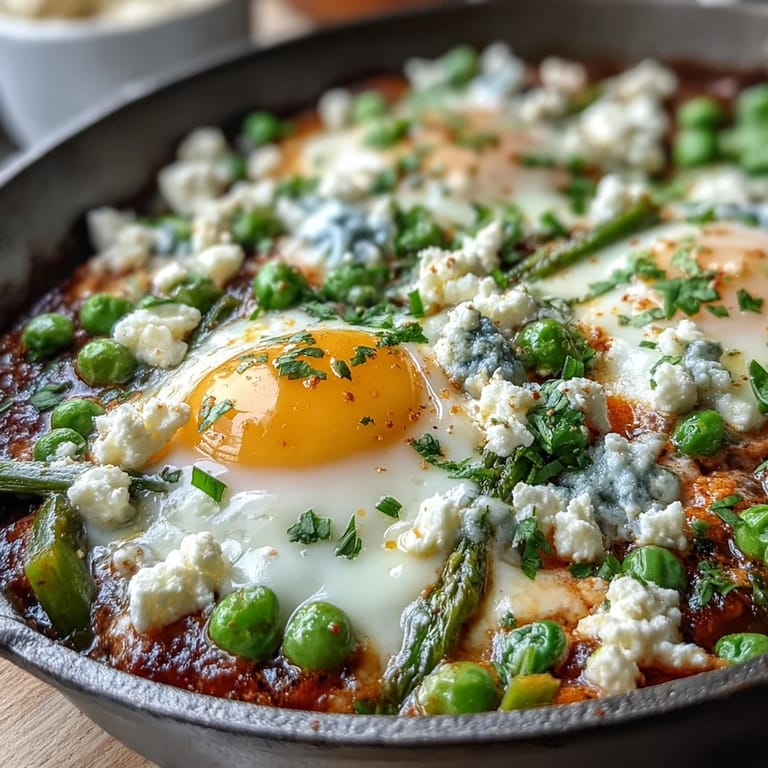
- Use the back of a spoon to create perfect wells for each egg. The whites should spread a bit while the yolks remain centered and intact.
- The patient wait:
- Cover and lower the heat, resisting the urge to peek too often. Youre looking for set whites with those gloriously runny yolks.
- The finishing touches:
- The final sprinkle of feta should happen while everything is still hot so it slightly melts into the dish. Fresh herbs add a pop of color and brightness right at the end.
 Save
Save The first time I made this for my vegetarian neighbor, she stood in my kitchen with tears in her eyes, confessing shed never had a meatless dish that felt so complete and satisfying. We sat on the balcony with glasses of crisp white wine, watching the sunset as we scooped up the last bits with warm flatbread. Sometimes the simplest meals create the strongest connections, and this one has bridged cultures and dietary preferences at my table for years now.
The Art of Egg Perfection
Ive learned that patience is everything with the eggs in this dish. After countless shakshuka mornings, Ive discovered that lowering the heat just before adding the eggs and keeping the lid on tight creates the perfect steam environment. Sometimes I drape a clean kitchen towel between the pan and lid to catch condensation that might otherwise drip onto those beautiful yolks. The ideal doneness is when the whites are just set but give slightly when touched gently with a spoon.
Seasonal Adaptations
While spring vegetables make this version special, Ive created this dish year-round by swapping ingredients with the seasons. Summer brings cherry tomatoes and zucchini, autumn introduces butternut squash cubes that caramelize beautifully, and winter welcomes hearty kale or spinach that wilts perfectly into the sauce. The basic formula remains the same: build flavor with aromatics, create a flavorful sauce, add seasonal vegetables, and nestle in those eggs for the final flourish.
Serving Suggestions
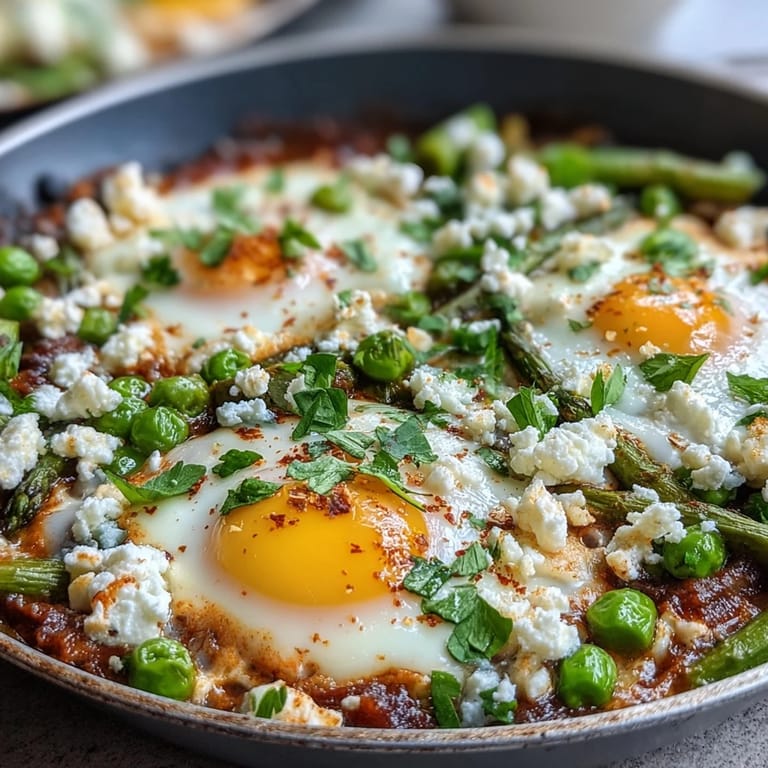
Theres something magical about bringing the entire pan to the table and letting everyone dig in communally. I always place the hot skillet on a wooden board with a kitchen towel wrapped around the handle as a warning signal. The conversational pause that happens with the first bite tells me everything I need to know about a successful shakshuka experience.
- For a complete brunch spread, serve alongside a simple arugula salad dressed with lemon and olive oil for brightness.
- Keep warm flatbreads wrapped in a cloth napkin in a basket to maintain their softness while serving.
- Have small bowls of additional toppings like harissa, yogurt, or extra herbs so guests can customize their portions.
 Save
Save This vibrant shakshuka has become more than just a recipe in my collection, its a vessel for connection and conversation. I hope it brings the same joy to your table, with runny yolks, bright vegetables, and plenty of bread for soaking up every last drop.
Recipe FAQs
- → Can I use frozen peas and broad beans?
Absolutely. Frozen vegetables work beautifully in this dish and actually save preparation time since they're already blanched. Simply add them directly to the tomato sauce during step 5.
- → How do I know when the eggs are perfectly cooked?
The whites should be fully set and opaque while the yolks remain slightly jiggly when you gently shake the pan. This usually takes 7-10 minutes over low heat with the lid on.
- → What can I substitute for feta cheese?
Try crumbled goat cheese for a tangy alternative, or skip entirely for a dairy-free version. The dish works wonderfully without cheese too.
- → Can I make this ahead of time?
You can prepare the vegetable sauce up to step 5 a day in advance. Reheat gently before cracking in the eggs—the dish is best served immediately after the eggs are cooked.
- → What's the best bread to serve alongside?
Crusty sourdough or ciabatta are perfect for soaking up the sauce and runny yolks. Warm flatbreads or pita also work beautifully for a more traditional approach.
- → How can I add more protein without eggs?
Chickpeas, white beans, or lentils make excellent additions. Simply add them when you incorporate the vegetables in step 5 so they heat through.