 Save
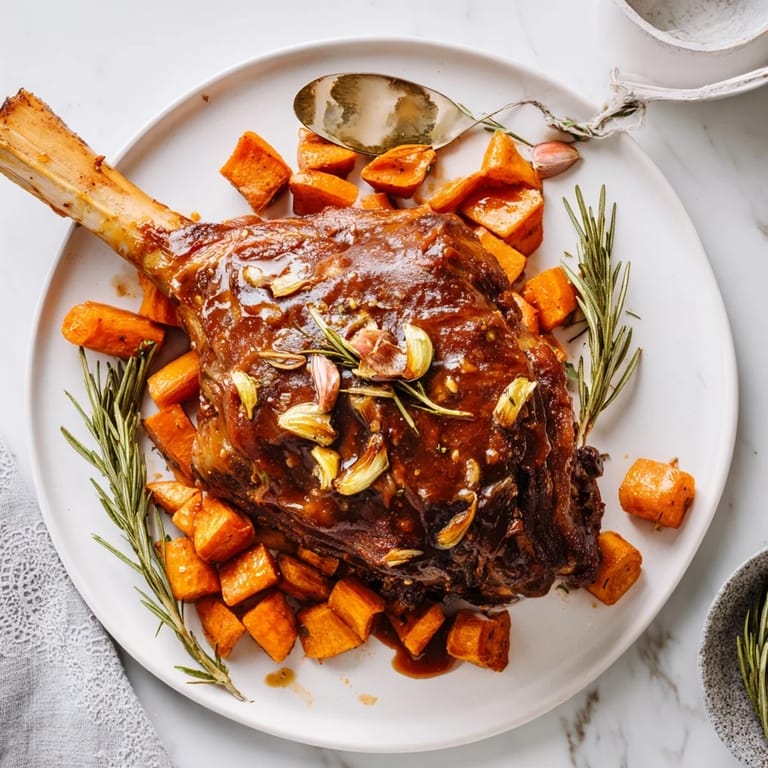
Save There was a November evening when the kitchen smelled like a countryside inn I'd never visited but somehow remembered. Lamb shanks were on sale, and I had a bottle of wine I didn't love enough to drink. I threw them into a pot with rosemary from the garden and three hours later, the meat slipped off the bone like it had been waiting all along. That dish taught me that patience isn't a virtue in cooking—it's a technique.
I made this for a small holiday dinner once, and my friend who claimed she didn't like lamb asked for seconds. She said it tasted nothing like what she expected—no gamey edge, just deep, savory warmth. I realized then that slow heat and a little rosemary can turn skeptics into believers. It's become my quiet showstopper, the dish I make when I want to impress without stress.
Ingredients
- Lamb shanks: Look for shanks with a good amount of meat and a little marbling. The bone adds flavor and the collagen melts into the sauce, making it silky.
- Carrots and celery: These aren't just filler—they sweeten the braise and soak up all the savory drippings. Cut them chunky so they hold their shape.
- Onion: Slice it thick. It will soften and almost dissolve into the sauce, adding a mellow sweetness that balances the wine.
- Garlic: Smash the cloves with the side of your knife. They'll perfume the braising liquid without burning.
- Fresh rosemary and thyme: Use the real stuff if you can. Dried herbs work, but fresh sprigs release their oils slowly and fill the pot with magic.
- Bay leaves: They add a subtle earthiness. Don't skip them, and don't forget to fish them out before serving.
- Red wine: A dry wine you'd actually drink. It doesn't have to be fancy, just something with body and no sweetness.
- Stock: Beef or lamb stock brings depth. Homemade is lovely, but a good store-bought one works perfectly.
- Olive oil: For searing. It can handle the heat and adds a fruity note to the fond.
- Salt and pepper: Season the shanks well before searing. This is where the flavor starts.
Tired of Takeout? 🥡
Get 10 meals you can make faster than delivery arrives. Seriously.
One email. No spam. Unsubscribe anytime.
Instructions
- Preheat and prep:
- Set your oven to 160°C (320°F). Pat the lamb shanks completely dry with paper towels—moisture is the enemy of a good sear. Season them all over with salt and pepper, more than you think you need.
- Sear the shanks:
- Heat olive oil in a heavy pot over medium-high heat until it shimmers. Add the shanks and let them sit undisturbed for 2 minutes per side, turning until every surface is deeply browned. This step builds the flavor foundation, so don't rush it.
- Soften the vegetables:
- Remove the shanks and set them aside. In the same pot, toss in the onions, carrots, celery, and garlic. Stir them around in the drippings until they start to soften and smell sweet, about 4 to 5 minutes.
- Build the braise:
- Nestle the lamb shanks back into the pot. Tuck in the rosemary, thyme, and bay leaves around them. Pour in the wine and stock, and bring everything to a gentle simmer, scraping up any browned bits stuck to the bottom.
- Roast low and slow:
- Cover the pot tightly with a lid or foil. Slide it into the oven and let it cook for 2 ½ to 3 hours, turning the shanks once halfway through. The meat should be so tender it barely clings to the bone.
- Finish the sauce:
- Carefully transfer the lamb and vegetables to a serving platter. Skim any excess fat from the surface of the sauce, then simmer it on the stovetop for a few minutes if you want it thicker. Spoon the glossy, herb-flecked sauce over the shanks and serve hot.
 Save
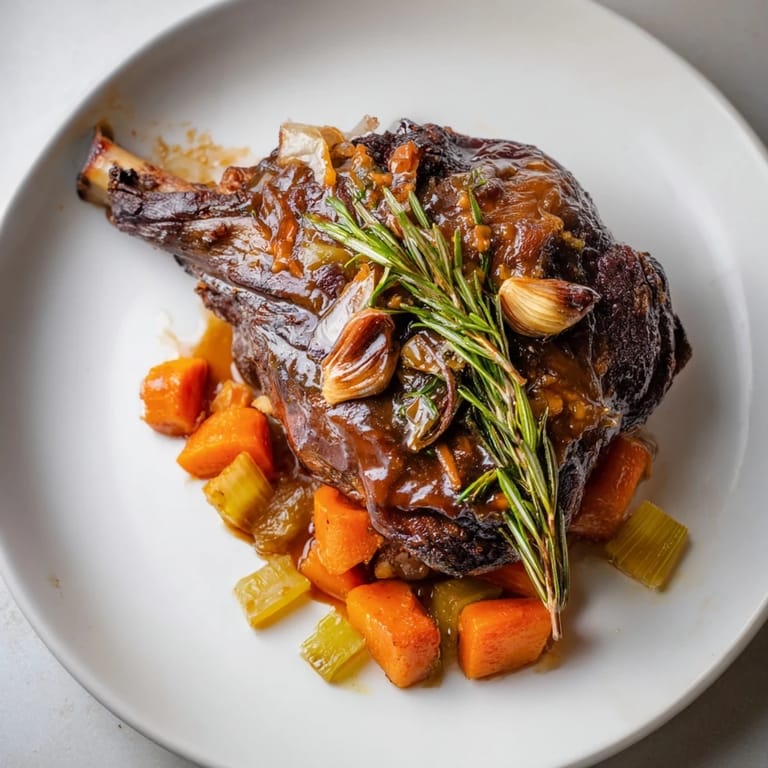
Save One winter, I reheated leftovers for lunch and the sauce had turned into something almost velvety, clinging to every shred of meat. I ate it standing at the counter, straight from the pot, with a piece of crusty bread. It was one of those quiet, perfect meals that no one else saw, but I'll remember forever.
Pairing Suggestions
This dish loves creamy mashed potatoes or soft polenta that can soak up all that rich sauce. I've also served it over buttery egg noodles or alongside roasted root vegetables. A simple green salad with a sharp vinaigrette cuts through the richness and keeps things balanced. Pour the rest of that red wine and call it a meal.
Make-Ahead Magic
This is one of those rare dishes that gets better when you make it the day before. The flavors marry overnight, and the sauce thickens into something almost luxurious. Just reheat it gently on the stovetop or in a low oven, covered, until warmed through. It takes the pressure off holiday cooking and lets you enjoy your guests instead of sweating over the stove.
Flavor Twists and Variations
I've tucked a strip of orange zest into the pot before, and the subtle citrus brightened the whole dish without stealing the spotlight. A splash of balsamic vinegar at the end adds a sweet-tart edge that some people love. If you want it heartier, throw in some quartered potatoes or parsnips during the last hour of roasting.
- Add a cinnamon stick or star anise for a warming, aromatic twist.
- Swap thyme for oregano if you want a more robust, Italian-style braise.
- Finish with a handful of chopped fresh parsley or mint for a bright, herby lift.
 Save
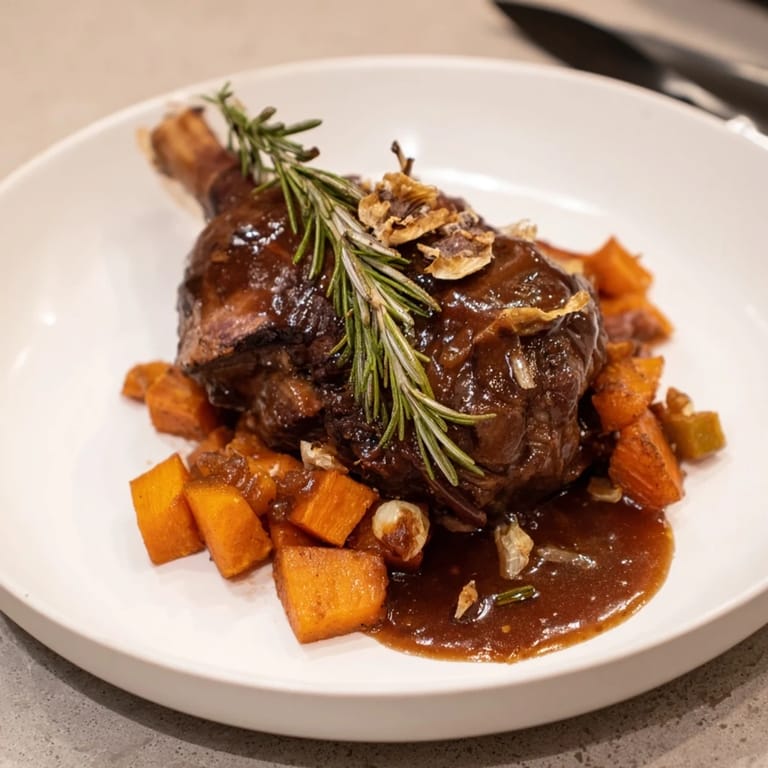
Save This is the kind of dish that makes your home feel like a place people want to linger. Serve it with love, and don't forget to put out extra napkins.
Recipe FAQs
- → What cut of meat works best?
Lamb shanks are ideal due to their connective tissue, which breaks down beautifully during slow cooking to create tender, flavorful meat.
- → Can I substitute the red wine?
Yes, you may use additional stock or a non-alcoholic red wine alternative to maintain moisture and depth of flavor.
- → How do I ensure the meat stays moist?
Searing the shanks before braising seals in juices, and cooking them slowly in liquid helps retain moisture and tenderness.
- → What herbs enhance the flavor?
Fresh rosemary and thyme provide aromatic, earthy notes that complement the richness of the lamb perfectly.
- → How can I thicken the sauce?
After roasting, simmer the braising liquid uncovered to reduce and thicken the sauce for a more concentrated flavor.
- → Is it possible to prepare this ahead of time?
Yes, flavors deepen if made a day ahead and gently reheated before serving, making it great for entertaining.