 Save
Save Last spring, I was hosting a dinner party on a whim, and I realized I had nothing but greens, radishes, and a lemon sitting on my counter. Rather than panic, I whisked together what became this vibrant vinaigrette, and watching my guests light up at the first bite taught me that simplicity done well is far more impressive than fussy complexity. That salad became the star of the evening, proof that sometimes the best meals come from happy accidents and a willingness to trust your instincts.
My friend Sarah brought this salad to a potluck during an unseasonably warm April evening, and I remember how the late-day sunlight caught the lemon vinaigrette, making everything gleam on the table. People kept circling back to it between conversations, and by evening's end, there were only a few stray leaves left in the bowl. It was the kind of dish that disappears quietly because everyone's too busy enjoying it to leave leftovers.
Ingredients
- Mixed baby greens (arugula, spinach, baby lettuces): The combination of textures and flavors here matters more than perfection—arugula brings peppery bite, spinach adds earthiness, and softer lettuces provide delicate crunch that holds up beautifully under the vinaigrette.
- Radishes: Slice them paper-thin so they stay crisp and bright; thick slices can turn woody and lose their fresh snap.
- Cucumber: Choose firm ones over watery greenhouse varieties, and remove seeds if they're particularly large so the salad stays textured rather than soggy.
- Scallions: The white and light green parts are mild and sweet, while the dark greens add a subtle onion bite—use both unless you prefer gentler flavor.
- Extra virgin olive oil: This is where quality truly shines; a good oil makes the vinaigrette sing, so don't skip on a decent bottle.
- Freshly squeezed lemon juice: Bottled lemon juice tastes thin and flat by comparison; fresh juice brightens everything with actual citrus life.
- Dijon mustard: It acts as an emulsifier, helping the oil and lemon juice stay suspended together rather than separating into sad puddles.
- Honey: Just a teaspoon softens the acidity and rounds out the flavors; maple syrup works beautifully for a vegan version.
- Garlic: Finely minced ensures even distribution and prevents harsh bites; let it sit in the vinaigrette for a minute to mellow slightly.
- Sea salt and black pepper: Taste as you go—different salts have different strengths, so adjust to your preference.
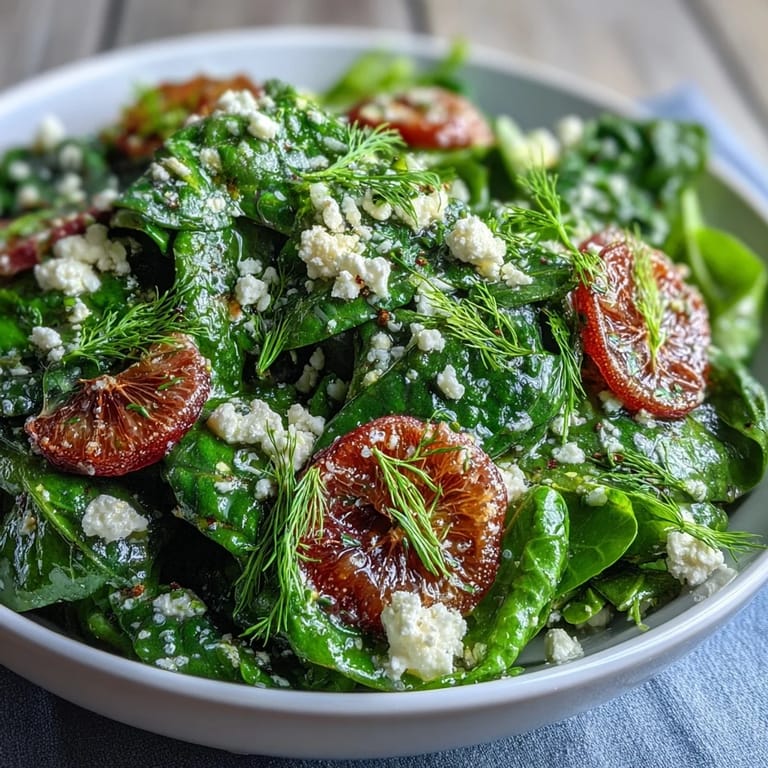
- Fresh dill and chives: These herbs don't cook, so their brightness remains sharp and alive; dried herbs will taste dull and ghostly by comparison.
- Feta cheese: The tanginess cuts through the greens and vinaigrette with welcome contrast, though it's entirely optional if you're avoiding dairy.
Tired of Takeout? 🥡
Get 10 meals you can make faster than delivery arrives. Seriously.
One email. No spam. Unsubscribe anytime.
Instructions
- Make the vinaigrette while you settle in:
- Whisk together the olive oil, lemon juice, Dijon mustard, honey, minced garlic, salt, and pepper in a small bowl or jar until it emulsifies into something silky and cohesive. You'll feel the texture change under your whisk as the oil and acid come together—that's when you know it's working.
- Arrange your greens as a canvas:
- Spread the mixed baby greens across a large platter or into a salad bowl, giving them breathing room so they look abundant rather than crowded. This is where you set the mood for the dish visually.
- Scatter radishes, cucumber, and scallions with intention:
- Distribute them evenly so every forkful gets a mix of textures and flavors. Uneven distribution means someone gets all the radishes while someone else gets a sad pile of just greens.
- Drizzle the vinaigrette just before serving:
- This is the crucial moment—too early and the greens wilt into sad submission, too late and they taste dry. Wait until your guests are nearly seated, then dress the salad with a generous but not excessive hand.
- Toss gently to combine:
- Use a light hand here; you're coating everything, not bruising the delicate leaves into submission. A few tender tears are fine, but you want most leaves to stay whole and crisp.
- Finish with herbs, cheese, and immediate service:
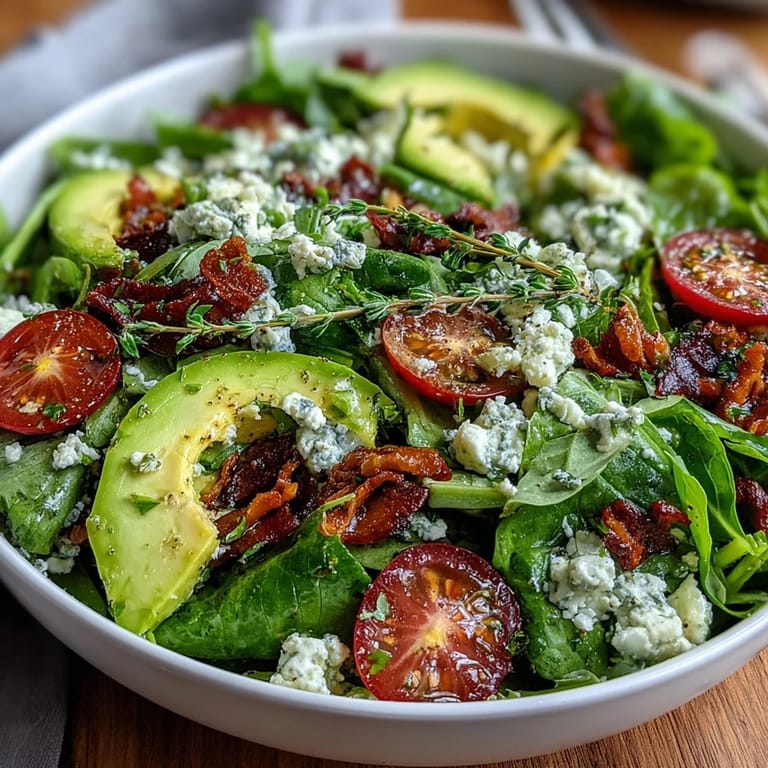
- Sprinkle the fresh dill, chives, and crumbled feta right before plates go to the table so nothing wilts or softens before anyone takes a bite. Serve immediately while everything is still at its sharpest and coldest.
 Save
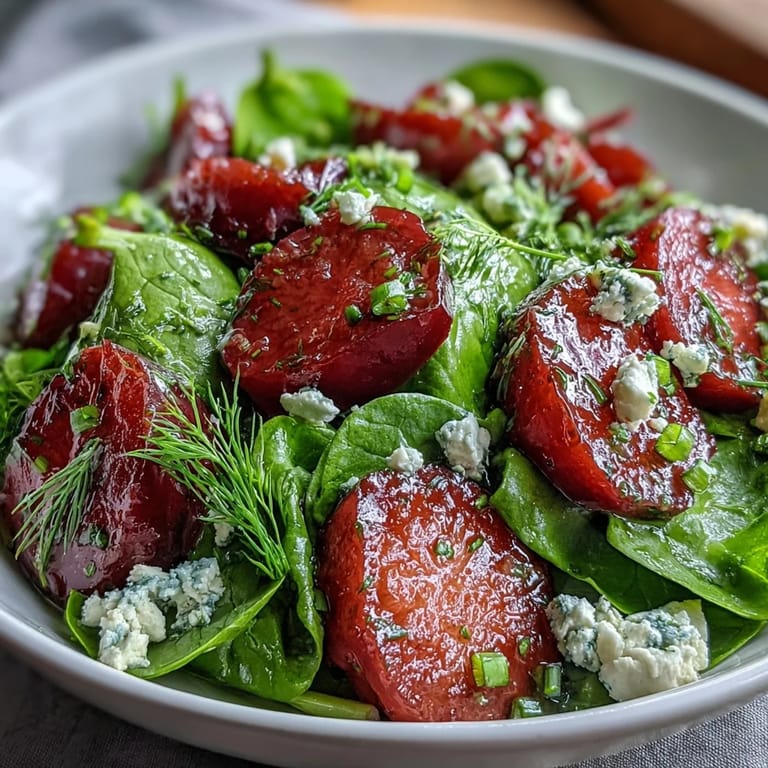
Save There's something almost meditative about slicing radishes paper-thin, watching them catch the light like little pink glass discs. A neighbor once told me she used to hate radishes until she tried them sliced this way, and it reminded me that how you cut something changes everything about how people experience it.
The Lemon Vinaigrette Secret
The magic of this vinaigrette lives in the ratio of acid to oil and in the patience it takes to whisk them together properly. I learned this the hard way after years of making thin, separated dressings that looked more like an oil slick than food. Once you understand that the mustard and honey are acting as bridges between ingredients that normally repel each other, you'll understand why this dressing clings to greens instead of sliding off into a sad pool at the bottom of the bowl.
Flavor Pairings That Transform This Salad
While this salad shines on its own, small additions can shift its entire mood depending on what you're serving alongside it or what season you're cooking in. Toasted walnuts add earthiness and weight, strawberries bring unexpected sweetness that makes spring feel a little more magical, and snap peas echo the fresh crunch of the radishes. I've served this alongside grilled fish, roasted chicken, and creamy risotto, and it performs beautifully in every context because the bright acidity cuts through richness without overwhelming delicate dishes.
Why This Works for Any Table
This salad has saved me countless times when I wasn't sure what to feed a group with varying dietary needs. I keep the feta on the side, double-check that my mustard and honey are vegan-friendly if needed, and suddenly I'm serving something that makes everyone feel included rather than accommodated. The beauty is that nothing feels like sacrifice—vegan or dairy-full, it's equally vibrant and satisfying.
- Prep your vegetables hours ahead if needed; they actually stay fresher when sliced and stored in the fridge than sitting whole on the counter.
- Keep the vinaigrette in a jar so you can shake it back together if it separates slightly, and you can use leftovers on vegetables or grain bowls for days.
- Taste the vinaigrette before it hits the salad; your palate is the only guide that matters, so adjust salt, lemon, and honey until it makes you happy.
 Save
Save This salad is proof that the best dishes don't require fussy techniques or hard-to-find ingredients. It's simply good greens, good oil, and the confidence to trust that simplicity, done with care and attention, is more than enough.
Recipe FAQs
- → What greens work best for this salad?
Mixed baby greens like arugula, spinach, and baby lettuces provide a tender and flavorful base.
- → Can I replace feta cheese for a dairy-free option?
Yes, omit feta or substitute with nuts like toasted walnuts or almonds for added texture.
- → How do I make the lemon vinaigrette emulsify properly?
Whisk olive oil and lemon juice vigorously with Dijon mustard, honey, garlic, salt, and pepper until fully combined.
- → What herbs pair well with the vinaigrette?
Fresh dill and finely sliced chives complement the citrusy dressing with their aromatic notes.
- → Is there a good beverage pairing for this salad?
Try a crisp Sauvignon Blanc or a dry Rosé to enhance the fresh, bright flavors.