 Save
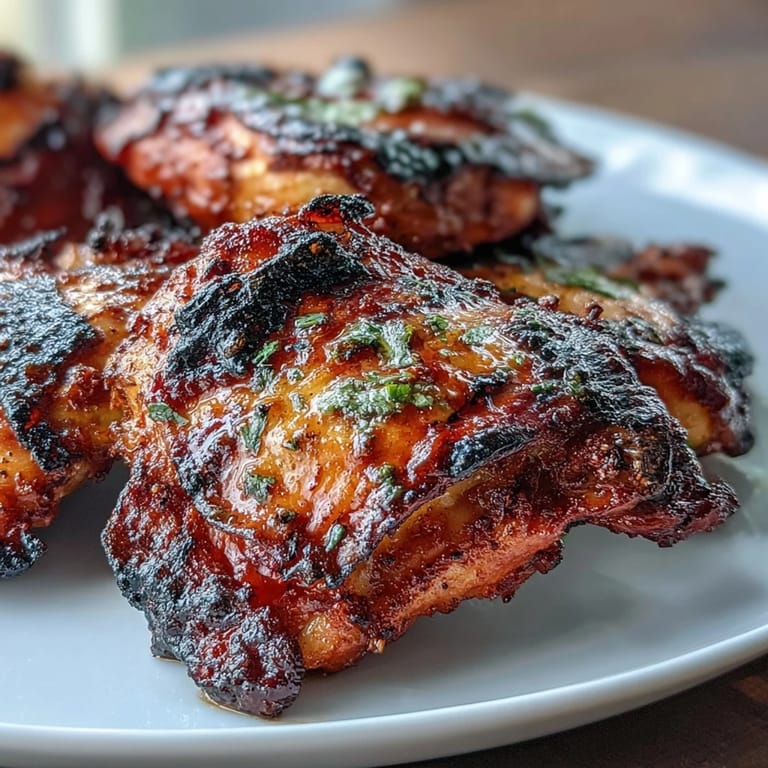
Save There's a moment in every home cook's journey when you realize tandoori chicken isn't some untouchable restaurant secret—it's just yogurt, spices, and the willingness to let time do the heavy lifting. I discovered this on a humid summer evening when a friend casually mentioned she'd been making it at home for years, and my entire approach to weeknight dinners shifted. Now, when that broiler hisses and the kitchen fills with charred paprika smoke, it feels less like cooking and more like capturing something essential.
I made this for my partner's parents one spring, nervous about impressing them with something authentically Indian when I'd only ever experienced it at restaurants. Watching their faces light up when they tasted it—that moment when skepticism melted into genuine surprise—taught me that home cooking has a warmth no kitchen in a strip mall can replicate. They asked for the recipe that night, and somehow that felt like the highest compliment.
Ingredients
- Boneless, skinless chicken thighs (1.5 pounds): Thighs stay juicier than breasts under high heat, their fat rendering into richness instead of drying out; they're forgiving, which matters when you're learning.
- Plain Greek yogurt (7 ounces): The acid and fat tenderize the chicken while creating a creamy base for spices; don't use flavored versions, as they'll muddy the taste.
- Fresh lime juice: This initial acid bath seasons the chicken before the yogurt joins in, creating layers of flavor rather than one monotone punch.
- Garlic and ginger (5 cloves and 1 tablespoon): Mince these fine so they distribute evenly and cook through completely; dry them slightly on a towel first to prevent excess moisture.
- Ground cumin (1 tablespoon): Toast it in a dry pan for thirty seconds before using if you want to deepen its earthiness, though it's not strictly necessary.
- Smoked paprika (1 tablespoon): This is what whispers smoke into the dish even before the broiler fires up; don't skip it or substitute with sweet paprika.
- Ground turmeric (1 teaspoon): Earthy and warming, it adds color and a gentle spice note that builds slowly on your palate.
- Ground cayenne pepper (1/2 teaspoon): This is your heat source; start here, taste the marinade, and add more if you want to wake things up further.
- Salt and black pepper (3/4 teaspoon each): These are your foundation; measure them properly because they're what make everything else sing.
Tired of Takeout? 🥡
Get 10 meals you can make faster than delivery arrives. Seriously.
One email. No spam. Unsubscribe anytime.
Instructions
- Prep the chicken:
- Pat your thighs completely dry with paper towels—moisture is the enemy of browning, and you want that contact. Rub them generously with lime juice, salt, and pepper, working the flavors into every crevice like you're giving them a massage.
- Build the marinade:
- Whisk your yogurt with garlic, ginger, and all the spices until you have a smooth, fragrant paste with no lumps. The mixture should look velvety and smell intoxicating—if it smells faint, your spices are stale, and it's time to replace them.
- Marry chicken and marinade:
- Submerge each piece of chicken in the yogurt mixture, turning it several times to coat every surface. Cover tightly and slide into the refrigerator, where the yogurt's acid will work on the protein overnight, making it impossibly tender.
- Heat your cooking vessel:
- Turn your broiler to high, or set the oven to 450°F if broiling isn't an option. Line a baking sheet with foil or parchment to catch the drips and make cleanup effortless.
- Arrange for success:
- Lift each piece of marinated chicken from the bowl and arrange it on the sheet in a single layer, spacing them so heat can circulate. If pieces are crowded, they'll steam instead of char, and that's not what we're after.
- First roast:
- Broil for 15 to 20 minutes, watching carefully as the tops dry out and char in irregular patches. You'll smell when it's happening—that dark, complex aroma that makes your mouth water.
- Flip and finish:
- Turn each piece carefully and return to the broiler for another 10 minutes until the second side is cooked through, slightly charred, and a knife inserted into the thickest part shows no pink. The internal temperature should reach 165°F, though your nose will tell you when it's done.
- Rest and serve:
- Let the chicken sit for five minutes on a warm plate—this allows the juices to redistribute, keeping the meat tender inside despite the charred exterior. Slice if you wish, squeeze fresh lemon over everything, and serve with whatever brings you joy.
 Save
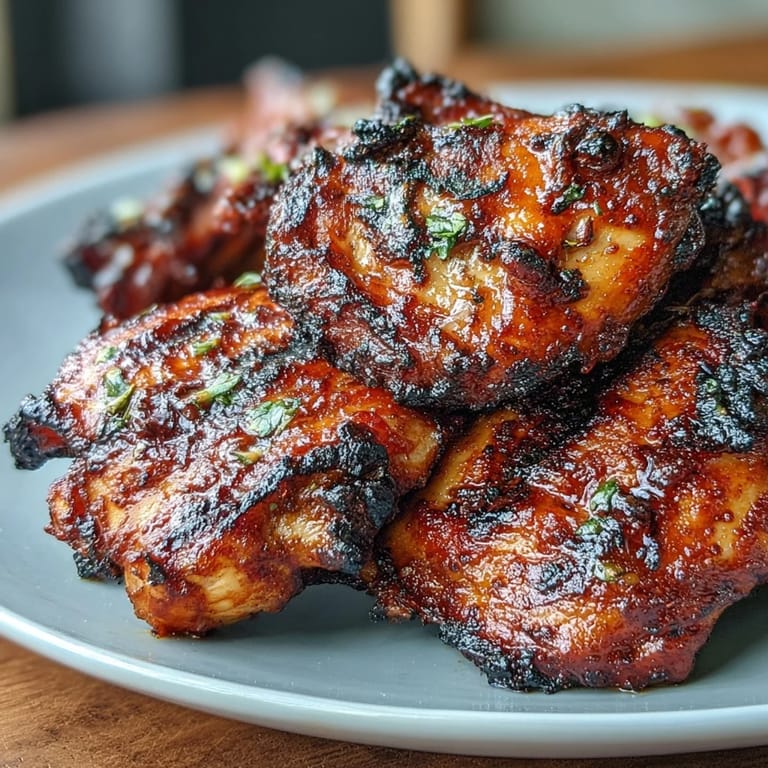
Save The smell that fills your kitchen in those final minutes—smoke and spice and something almost caramelized—stops conversations. My kids now call the night I make this "the good chicken night," and suddenly dinner becomes an event instead of an obligation. That transformation is what cooking is really about.
Why This Recipe Changed Everything for Me
Before tandoori chicken, I thought making Indian food at home was impossible without specialized equipment or ingredient hunting expeditions. Then I realized everything here lives in a standard grocery store, and most home cooks already own the tools required. That realization opened up an entire cuisine I'd been treating as somehow off-limits, reserved for restaurants and people with "real" cooking skills. The confidence that comes from nailing this recipe—seeing those char marks, tasting that balance of smoke and spice and richness—spills into other cooking decisions too.
The Marinade Magic
Greek yogurt deserves credit for being the unsung hero of this dish. Its acid gently breaks down the chicken's proteins while its fat carries the spices deeper into the meat, creating flavor that doesn't sit on the surface but lives throughout. I once tried this with regular yogurt (because I was lazy and out of Greek), and while it still worked, the texture wasn't as luxurious and the spices seemed to sit differently. That one mistake taught me to respect the ingredient list as written, not as a loose suggestion.
Broiler Versus Oven
The broiler is your shortcut to restaurant-style char, but not everyone has access to one that works properly, so a 450°F oven is your reliable backup. The broiler method gives you that dramatic edge and charred spots in about 25 minutes total, while the oven method takes closer to 35 and produces a more even browning. Either way, you're roasting chicken that tastes impossible, and that's what counts. Choose based on what your kitchen offers and what you're in the mood for.
- A broiler requires watching, but rewards you with that unmistakable tandoori appearance and crust.
- An oven is more forgiving and hands-off, perfect if you need to step away or are nervous about burning.
- Whichever you choose, the flavor and tenderness will shine through because the marinade did the real work.
 Save
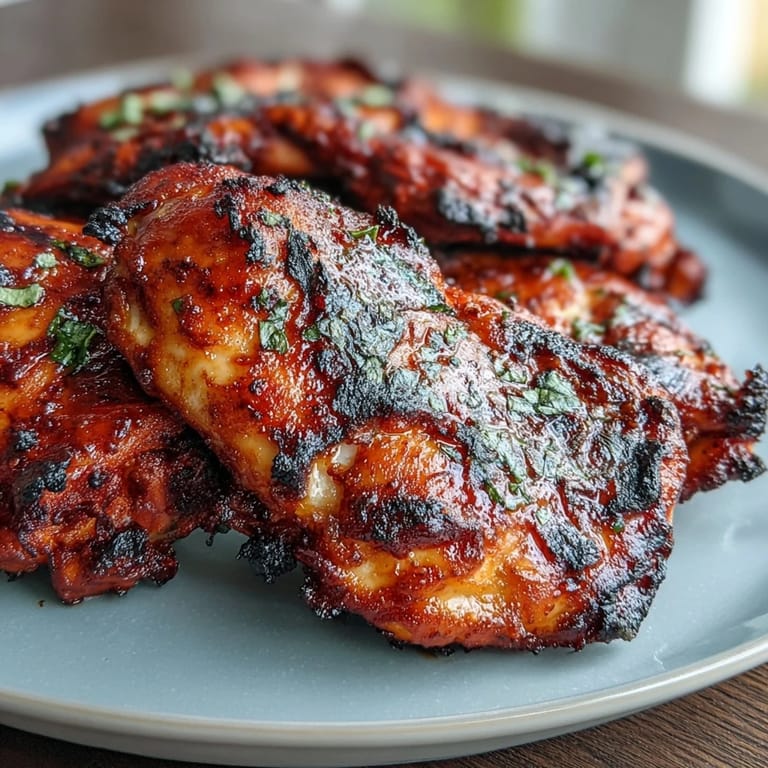
Save This is the dish I come back to when I want to feel like a real cook, when I want my dinner table to smell like something extraordinary. Every time, it reminds me that the best food doesn't need to be complicated, just thoughtfully made.
Recipe FAQs
- → How long should the chicken marinate?
Marinate the chicken for at least 6 hours, preferably overnight, up to 24 hours to maximize flavor penetration.
- → Can chicken breasts be used instead of thighs?
Yes, chicken breasts can substitute thighs but adjust cooking time as breasts cook faster and may dry out if overcooked.
- → What gives the smoky flavor in this dish?
The combination of smoked paprika in the marinade and charring under the broiler or on a gas flame creates the signature smoky notes.
- → Is this dish suitable for low-carb diets?
Absolutely; the marinade is low in carbohydrates, making it ideal for keto and low-carb meal plans.
- → What sides pair well with tandoori chicken thighs?
Complement with fresh lemon wedges, crisp salad, fragrant rice, naan bread, or cooling cucumber raita for balanced flavors.
- → How to avoid chicken drying out during cooking?
Cook just until done with slight char; resting the chicken for 5 minutes after removes excess heat and retains moisture.