 Save
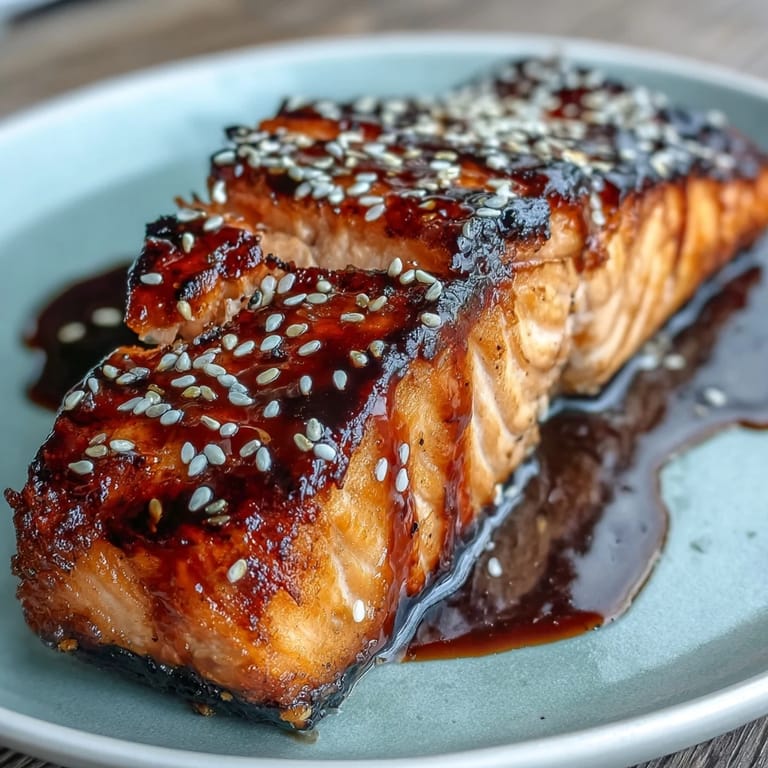
Save My neighbor brought over a bottle of sake one evening and asked if I could cook something special for her birthday dinner. I'd never made teriyaki salmon before, but I had salmon in the freezer and somehow felt brave enough to try. The way that glossy glaze came together in the pan—watching it shift from thin and watery to thick and shiny—felt like kitchen magic happening right there on the stovetop. Twenty-five minutes later, I was sliding perfectly caramelized fillets onto plates, and she took one bite and closed her eyes. That's when I knew this recipe was a keeper.
I made this for my sister who'd just moved into her first apartment with her partner. She confessed in the kitchen that she was nervous about cooking for him, convinced she'd mess something up. We brushed the glaze together, and I watched her face relax when the salmon came out of the oven looking absolutely gorgeous. She served it with trembling confidence, and he asked for seconds. Sometimes a good recipe does more than feed people—it gives them permission to believe in themselves.
Ingredients
- Salmon fillets (about 170 g / 6 oz each), skin-on or skinless: Patting them dry before cooking is the secret move that prevents sticking and ensures a better glaze bond—don't skip this step.
- Soy sauce (low sodium if preferred): The backbone of your glaze; low sodium gives you control over saltiness and lets the other flavors shine.
- Mirin: This sweet rice wine is what creates that signature glossy finish and balances the salty soy sauce beautifully.
- Honey or brown sugar: Either works, though honey dissolves faster and creates a silkier glaze.
- Rice vinegar: A small amount cuts through the sweetness and adds subtle brightness that keeps the glaze from feeling one-dimensional.
- Fresh ginger, grated: Grate it just before mixing into the sauce so you capture all that spicy, aromatic punch.
- Garlic cloves, minced: Fresh is non-negotiable here; jarred garlic loses its punch and won't give you that sharp, clean bite.
- Sesame oil: Just a teaspoon adds incredible depth and nuttiness without overwhelming the other flavors.
- Cornstarch: The thickening agent that transforms runny sauce into glossy coating; it's what separates a good glaze from an extraordinary one.
- Cold water: The slurry of cornstarch and water is how you avoid lumps and achieve that smooth, pourable consistency.
- Toasted sesame seeds: The toasting step matters—it wakes up the nutty flavor and adds visual appeal and crunch.
- Spring onions, thinly sliced: Fresh and sharp, they cut through the richness and add a light, crisp finish to each bite.
Tired of Takeout? 🥡
Get 10 meals you can make faster than delivery arrives. Seriously.
One email. No spam. Unsubscribe anytime.
Instructions
- Heat your oven and prepare the stage:
- Preheat to 200°C (400°F) and line your tray with parchment paper or foil—this prevents sticking and makes cleanup a breeze. You want everything ready before the salmon touches the pan because you're working with a tight timeline.
- Build the glaze base:
- Combine soy sauce, mirin, honey, rice vinegar, ginger, garlic, and sesame oil in a small saucepan and bring to a simmer over medium heat. You'll smell the ginger and garlic bloom almost immediately, filling your kitchen with that unmistakable warm, savory aroma.
- Thicken it to glossy perfection:
- Whisk cornstarch and cold water together in a bowl to make a smooth slurry, then pour it slowly into the simmering sauce while stirring constantly. Keep stirring for 2 to 3 minutes until the sauce loses its shine and becomes rich, glossy, and thick enough to coat the back of a spoon.
- Prepare your salmon:
- Pat the fillets completely dry with paper towels and place them skin-side down on your prepared tray. This drying step is crucial—it helps the glaze stick and prevents the fish from steaming instead of baking.
- Brush with glaze:
- Generously coat each fillet with the teriyaki glaze, saving some for drizzling at the end. Be generous here; the glaze is what makes this dish sing.
- Bake until just cooked:
- Slide the tray into the oven and bake for 10 to 12 minutes until the salmon flakes easily with a fork and the thickest part turns opaque. If you want that extra caramelized finish, give it 1 to 2 minutes under the broiler at the end, but watch it carefully—the line between gorgeous and burnt is thin.
- Plate and finish:
- Transfer the salmon to plates, drizzle with that reserved glaze, and scatter toasted sesame seeds and sliced spring onions over the top. The heat of the fish will slightly wilt the spring onions, softening them just enough while keeping their fresh bite.
 Save
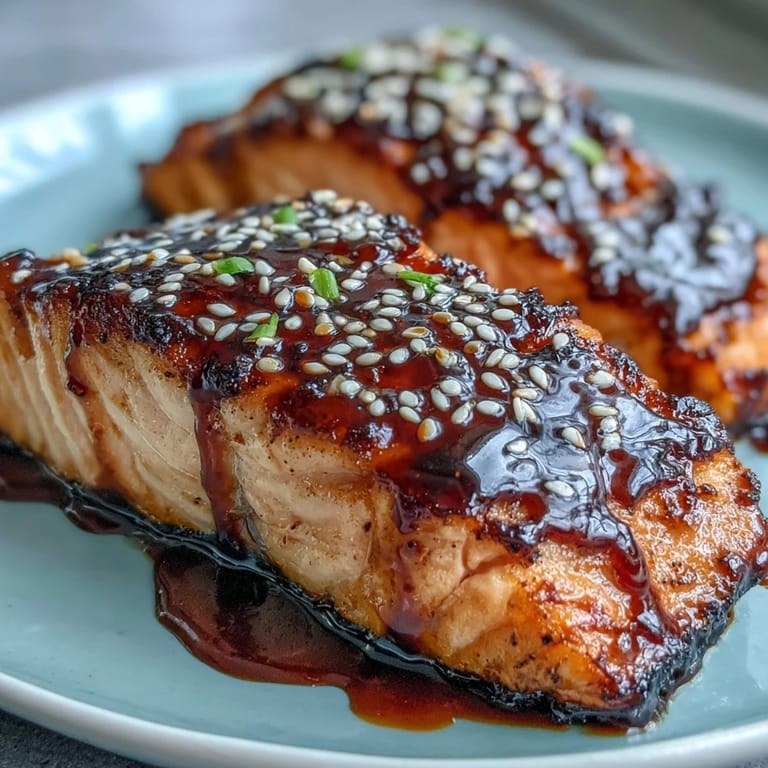
Save There's a particular moment when the glaze thickens and you tilt the saucepan to see it roll slowly across the bottom like liquid silk—that's when you know you've nailed it. My kitchen fills with this incredible aroma of caramelized garlic and ginger, and suddenly the whole evening feels intentional and a little bit fancy.
Why This Glaze Changes Everything
The magic isn't just in having these ingredients together; it's in understanding how they interact. Mirin and honey create sweetness, but the soy sauce and rice vinegar pull back and prevent it from tasting like dessert. Ginger and garlic add warmth and depth, while sesame oil whispers sophistication in the background. The cornstarch isn't just a thickener—it transforms loose ingredients into a cohesive, glossy coat that actually sticks to the fish instead of sliding off into a puddle.
The Salmon Itself Matters Too
Quality salmon makes a real difference here because you're not hiding it under heavy sauces or complex preparations. The fish speaks for itself, so look for fillets with firm flesh and a bright color. If your salmon feels mushy or smells off, trust your instincts and save the recipe for another day when you have better fish. Pat it dry before cooking—this step alone elevates your final result from good to genuinely restaurant-quality.
Serving and Pairing Ideas
This salmon doesn't need much accompaniment, but steamed jasmine rice or sautéed bok choy work beautifully alongside it. The glaze is rich and sweet-savory, so I always serve something green and slightly bitter to balance the plate. A crisp white wine or chilled sake feels right, though honestly, this dish is good enough to make you forget about wine pairings entirely.
- Serve immediately while the salmon is warm and the glaze still clings to every bite.
- Leftover salmon keeps for two days in the fridge and tastes just fine cold the next day if you're craving it for lunch.
- Double the glaze recipe if you're feeding a crowd—people pour extra over rice and will use every drop.
 Save
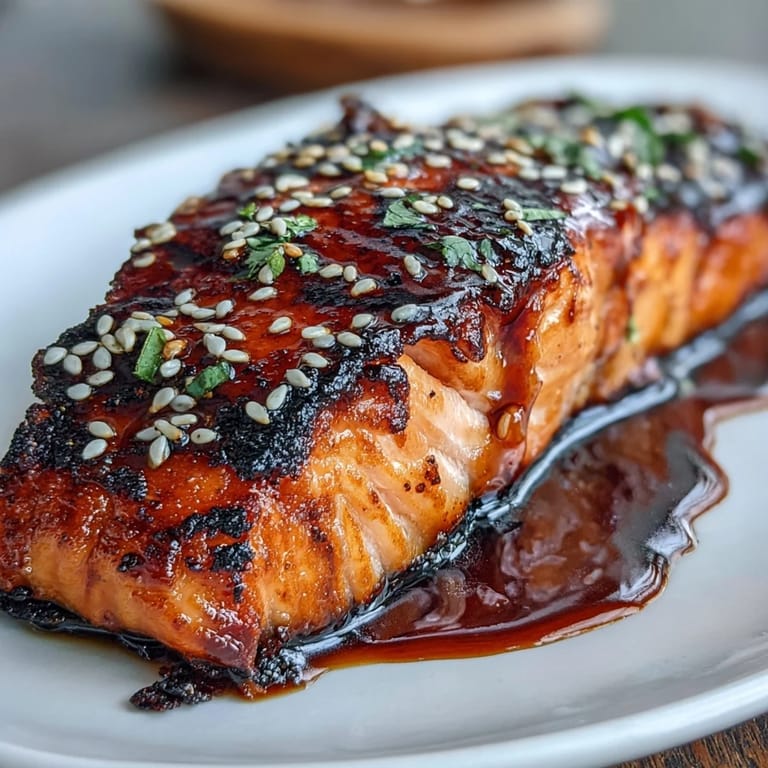
Save This recipe became my go-to for dinners that need to feel special without requiring hours of work. Every time I make it, I'm reminded that simple ingredients and confident technique can create something truly memorable.
Recipe FAQs
- → What type of salmon works best for this dish?
Both skin-on and skinless salmon fillets work well; skin-on helps retain moisture during baking.
- → How can I make the glaze thicker?
The glaze thickens when a cornstarch slurry is added and simmered briefly, creating a glossy finish.
- → Can I substitute ingredients for dietary needs?
For gluten-free options, tamari replaces soy sauce, and sesame oil or seeds can be omitted to avoid allergies.
- → What sides pair well with this dish?
Steamed rice, sautéed greens, or stir-fried vegetables complement the flavors nicely.
- → How to achieve a caramelized finish on the salmon?
Broil the glazed salmon for 1-2 minutes at the end of baking to add caramelization and enhance flavor.