 Save
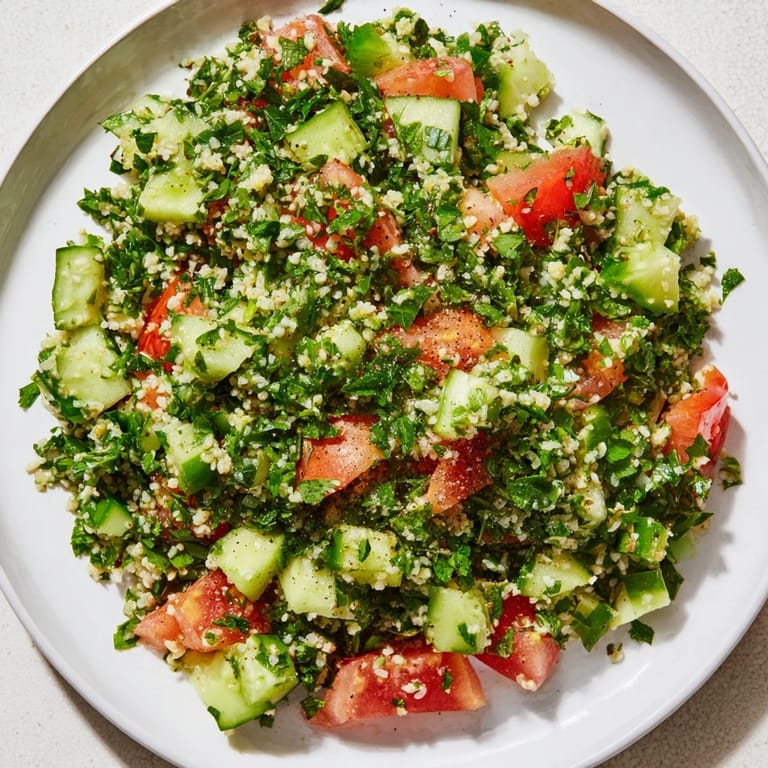
Save The first time I made tabbouleh was at a friend's apartment in the middle of summer, and I remember being struck by how alive it tasted. She'd just returned from Beirut and insisted we needed something that captured that feeling of Mediterranean heat and brightness. I stood in her tiny kitchen chopping what felt like mountains of parsley, my hands turning green, and realized this wasn't just a salad—it was a ritual. When we finally tasted it, still cool from the fridge, something clicked. I've made it dozens of times since, but that moment of discovering how herbs and lemon could make something feel like you're sitting under a fig tree stays with me.
I served this at a potluck years ago alongside falafel and hummus, and watched people go back for thirds without even realizing it. Someone asked for the recipe with such earnestness that I knew I'd stumbled onto something quietly special. Now when people ask me what to bring to a gathering, especially in warm months, tabbouleh is always my answer because it never disappoints.
Ingredients
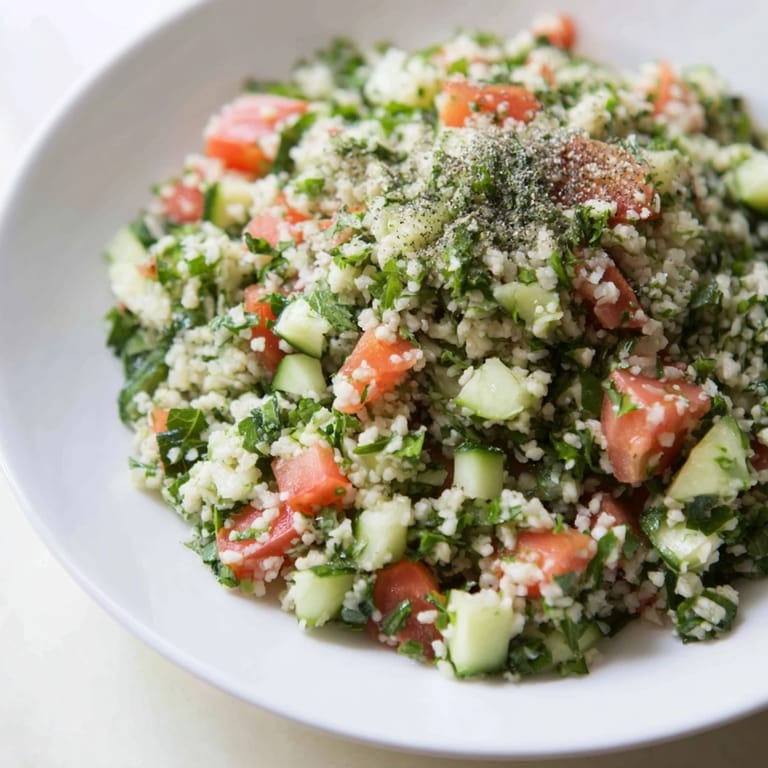
- Fine bulgur wheat: This is the heart of tabbouleh, and using fine bulgur instead of coarse makes all the difference—it hydrates evenly and doesn't overpower the herbs.
- Flat-leaf parsley: Use the curly stuff and you'll miss what makes this dish work; flat-leaf has a cleaner, brighter flavor that lets everything else sing.
- Fresh mint: This is where people sometimes skimp, but the mint is what lifts the whole thing—don't hold back on it.
- Spring onions: They add a whisper of sharpness that keeps things from feeling one-dimensional.
- Tomatoes: Seed them so you don't end up with a soggy bowl of regret; the flesh is what you're after.
- Cucumber: Half a medium cucumber is the sweet spot—more and it dilutes everything you've built.
- Extra-virgin olive oil: This is where you splurge; cheap oil makes this taste like a chore.
- Fresh lemon juice: Bottled will betray you; find a lemon and squeeze it yourself.
- Fine sea salt and black pepper: The salt wakes everything up, and freshly ground pepper adds a whisper of heat.
Tired of Takeout? 🥡
Get 10 meals you can make faster than delivery arrives. Seriously.
One email. No spam. Unsubscribe anytime.
Instructions
- Awaken the bulgur:
- Pour boiling water over the bulgur and cover the bowl tightly—the steam does the work for you. In 10 to 15 minutes, it'll transform from hard little pebbles into something tender and almost fluffy.
- Build your herb base:
- In a large bowl, combine your chopped parsley, mint, and spring onions first, before the vegetables join them. This keeps the herbs from getting bruised and ensures they stay bright.
- Bring it all together:
- Once your bulgur has cooled slightly, add it to the herbs along with the tomatoes and cucumber. This is where the magic starts to happen—everything mingles but remains itself.
- Make the dressing:
- Whisk the olive oil, lemon juice, salt, and pepper in a small bowl until they become friends rather than strangers. Taste it on its own; it should make your mouth water.
- Dress and toss:
- Pour the dressing over everything and toss gently—you're combining, not mashing. Taste it now and adjust; sometimes a pinch more salt or squeeze of lemon is exactly what's needed.
- Chill and serve:
- If you have time, refrigerate it for a couple of hours so the flavors deepen, but honestly, it's beautiful served at room temperature right away too.
 Save
Save There's a moment, usually around the second or third forkful, when someone realizes they've been eating mostly herbs and they look up surprised. That's when tabbouleh stops being just a salad and becomes a small revelation. It taught me that sometimes the most satisfying food is the simplest, built on respect for good ingredients and nothing more.
When to Make This
Tabbouleh is made for warm weather and open-air eating. It's perfect for summer potlucks, mezze platters, or those nights when you want something fresh and alive but don't want to heat up the kitchen. I make it year-round, but it tastes truest when tomatoes are at their peak and herbs are practically throwing themselves at you from farmers markets.
How to Serve It
Tabbouleh exists in the space between side dish and meal. You could eat it on its own with warm pita bread for scooping, or nestle it onto a plate alongside grilled fish, lamb, or roasted vegetables. I've served it as part of a mezze spread with hummus, baba ganoush, and falafel, where it acts as the bright, herbaceous anchor that makes everything taste better.
Storage and Make-Ahead
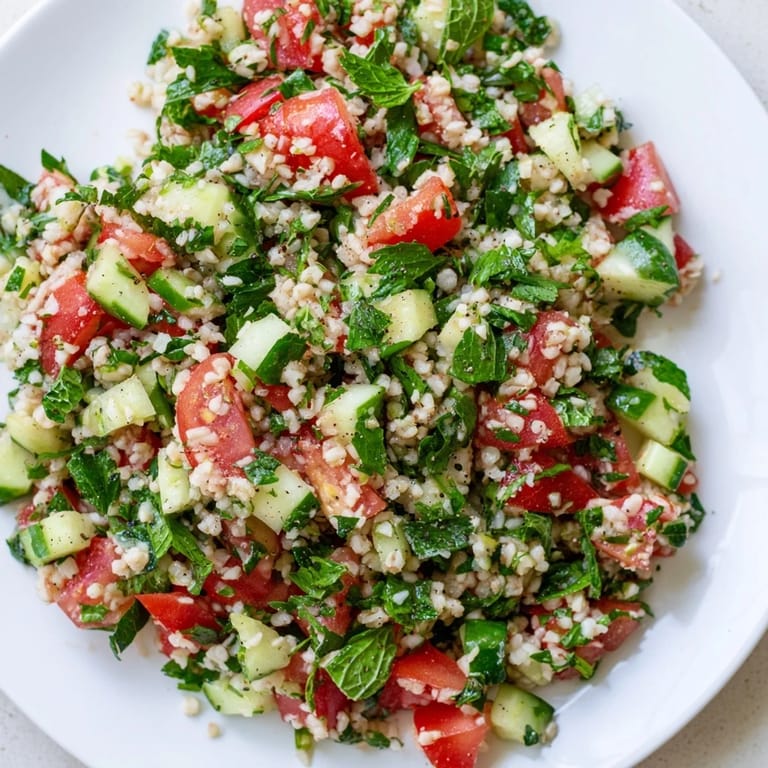
Tabbouleh will keep in the fridge for up to two days, though it's genuinely best on the day you make it when everything is still vivid and distinct. You can prep all the components ahead of time and assemble it just before serving, which makes it a forgiving choice when you're feeding a crowd. Some people actually prefer it after sitting overnight because the flavors marry and deepen, so don't shy away from making it early.
- Make this in the morning for an evening gathering and let the flavors develop.
- If you're making it gluten-free, cooked quinoa works beautifully instead of bulgur—use the same amount and treat it the same way.
- Double the recipe without hesitation; leftover tabbouleh disappears faster than you'd expect.
 Save
Save Making tabbouleh has become my quiet way of saying I care. It's unpretentious, genuinely good, and tastes like you took time to think about who you were feeding.
Recipe FAQs
- → What grain is traditional in Lebanese tabbouleh?
Fine bulgur wheat is commonly used for its texture and ability to absorb flavors when soaked.
- → Can bulgur be substituted in this salad?
Yes, quinoa is a great gluten-free alternative that maintains a similar texture.
- → How should the herbs be prepared?
Chop flat-leaf parsley and fresh mint finely to evenly distribute their vibrant flavors.
- → What is the dressing composed of?
The dressing combines freshly squeezed lemon juice, extra-virgin olive oil, sea salt, and black pepper for a bright finish.
- → How is the salad best served?
It’s best enjoyed chilled or at room temperature to highlight the fresh, zesty ingredients.
- → How long can the salad be stored?
It can be refrigerated for up to two days but is best consumed fresh for optimal flavor and texture.