 Save
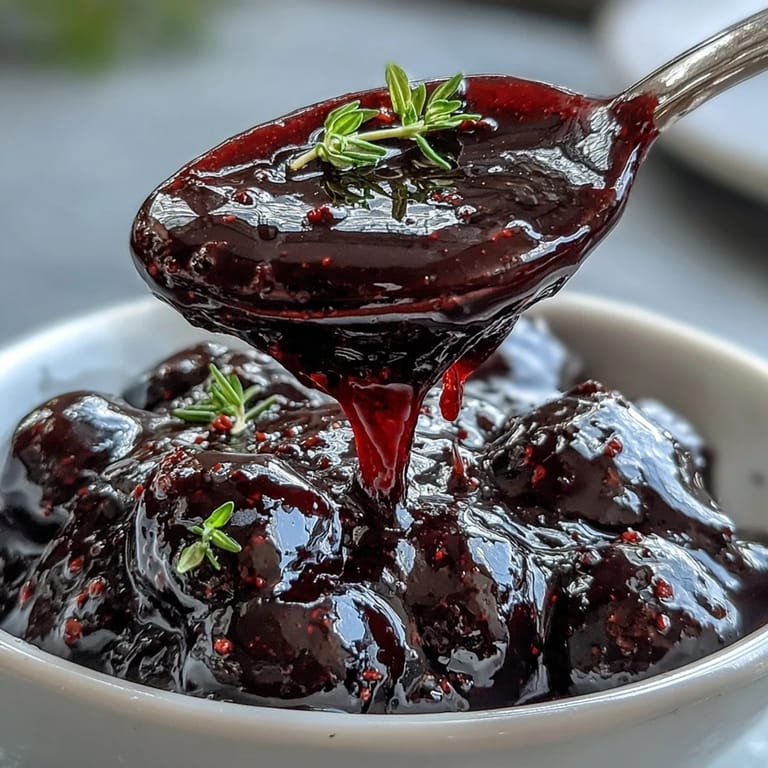
Save My grandmother kept a jar of black currant preserves on her pantry shelf year-round, tucked between the marmalades and jams she'd made during summer. One holiday dinner, she whisked it into a glossy glaze that transformed an ordinary ham into something guests wouldn't stop talking about. The sweet-tart combination lingered on everyone's plates, and I realized then that the best sauces aren't always complicated—they're just honest flavors working together.
I made this glaze for a casual Sunday dinner with friends who'd asked to bring something seasonal. Watching their faces when the meat hit the table, glistening and dark, felt like a small victory. One friend asked for the recipe that same night, and I texted it to her before dessert was even plated.
Ingredients
- Black currant preserves: The star ingredient that gives this glaze its distinctive tartness and deep jewel-like color—don't skip the quality version if you can find it.
- Balsamic vinegar: This adds depth and prevents the glaze from being one-note sweet, cutting through richness with gentle acidity.
- Honey: Acts as a binding agent and softens the sharpness while adding a subtle floral note.
- Dijon mustard: A teaspoon might seem small, but it rounds out all the other flavors and adds a whisper of sophistication.
- Unsalted butter: Creates that glossy finish and gives the glaze a silky mouthfeel that elevates everything it touches.
- Brown sugar: Deepens the caramel notes and helps the glaze cling to meat during roasting.
- Fresh thyme leaves: Optional but worth the effort if you have it—earthiness makes the fruit sing.
- Ground black pepper and salt: These finishing touches balance sweetness and make every layer of flavor pop.
Tired of Takeout? 🥡
Get 10 meals you can make faster than delivery arrives. Seriously.
One email. No spam. Unsubscribe anytime.
Instructions
- Gather and combine:
- Measure out your preserves, vinegar, honey, mustard, butter, and brown sugar into a small saucepan. Having everything ready means you won't scramble once the heat goes on.
- Melt it together:
- Set the pan over medium heat and stir constantly until the butter disappears into the mixture and everything becomes smooth and glossy. You'll notice the preserves soften and blend rather than staying chunky.
- Season and simmer:
- Add thyme if using, black pepper, and a pinch of salt, then let it bubble gently for five to seven minutes. Stir occasionally and watch for the mixture to thicken slightly and develop a shine.
- Finish and use:
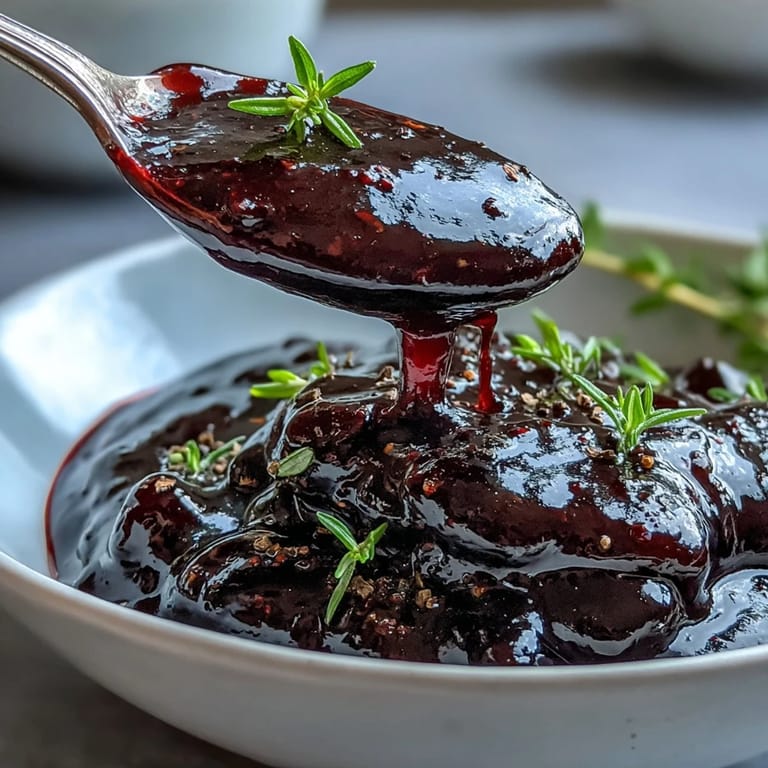
- Remove from heat when the glaze coats a spoon without dripping immediately. Brush it onto your meat or vegetables during the final stretch of cooking, or serve it alongside as a glossy accompaniment.
 Save
Save The first time someone asked if this was store-bought, I laughed—not at them, but at how something so elegant could be this simple. That's when cooking became less about impressing and more about sharing something warm.
Best Proteins for This Glaze
Pork and ham are the obvious choices, but dark poultry like duck or chicken thighs respond beautifully to this glaze's richness. The tart black currant cuts through fattier meats in a way lighter glazes simply can't, and root vegetables roasted alongside soak up every bit of that sticky goodness. Game meats—venison especially—find a perfect companion in the herbal thyme and bright vinegar notes.
Texture and Consistency Tips
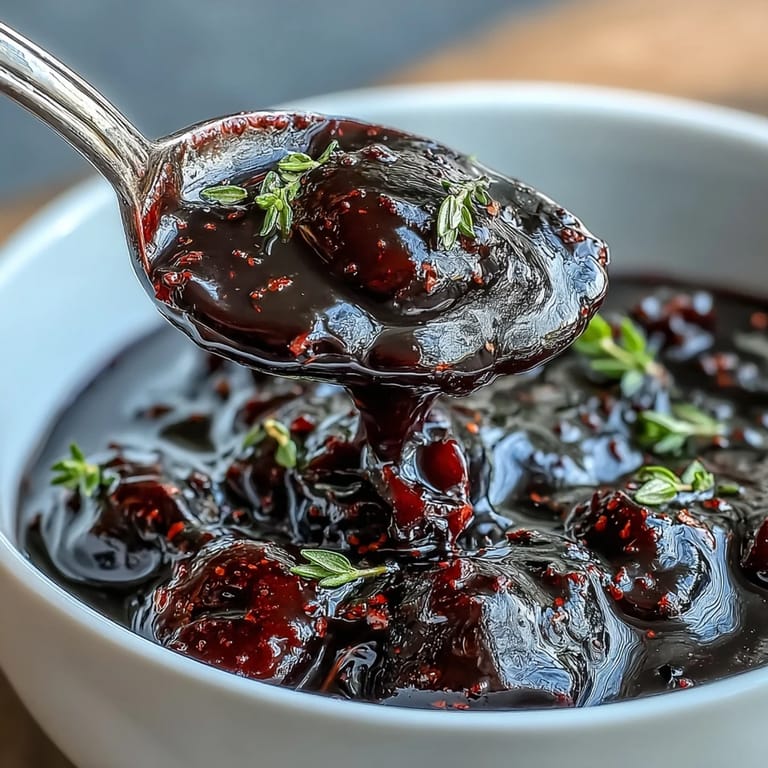
The glaze should reach a consistency that clings to a spoon without being runny, almost like warm honey. If your preserves are particularly chunky, straining through a fine mesh sieve creates that restaurant-quality glossiness, though some people prefer the rustic texture of whole fruit bits. Temperature matters too—a warm glaze brushes on easier than a cooled one, so work quickly once you remove it from heat.
Storage, Swaps, and Variations
Leftover glaze keeps perfectly in a sealed jar in the refrigerator for about a week, and it actually improves as flavors meld overnight. Red currant or cherry preserves work wonderfully if black currant isn't at your market, each bringing its own personality—cherry leans warmer, red currant slightly brighter. Once you understand the formula, experimenting becomes natural: swap in a touch of Grand Marnier, add a pinch of cayenne for subtle heat, or use aged balsamic for deeper complexity.
- Warm the glaze gently in a small saucepan before brushing if it's been refrigerated and feels too stiff.
- Apply glaze in thin layers during the final cooking stage rather than all at once to prevent burning.
- This glaze freezes beautifully in ice cube trays for portioning future meals.
 Save
Save This glaze reminds me that sometimes the smallest recipes hold the most power to transform an ordinary meal into something memorable. Next time you're cooking for people you care about, let this one do the heavy lifting.
Recipe FAQs
- → How long does black currant glaze keep?
Store leftovers in a sealed jar in the refrigerator for up to 1 week. The glaze may thicken when cold—warm gently before using.
- → Can I use other fruit preserves?
Yes, red currant or cherry preserves work well as substitutes. The flavor profile will shift slightly but still provide a tangy-sweet balance.
- → What foods pair best with this glaze?
This glaze excels on pork, chicken, duck, and glazed ham. It also complements roasted root vegetables like carrots, parsnips, and sweet potatoes.
- → Should I strain the glaze?
Straining through a fine mesh sieve creates an ultra-smooth texture, but it's optional. Some prefer the texture from fruit pieces in the preserves.
- → When should I apply the glaze?
Brush onto meats during the last 20-30 minutes of roasting to prevent burning. The sugars can caramelize quickly, so watch closely near the end of cooking time.