 Save
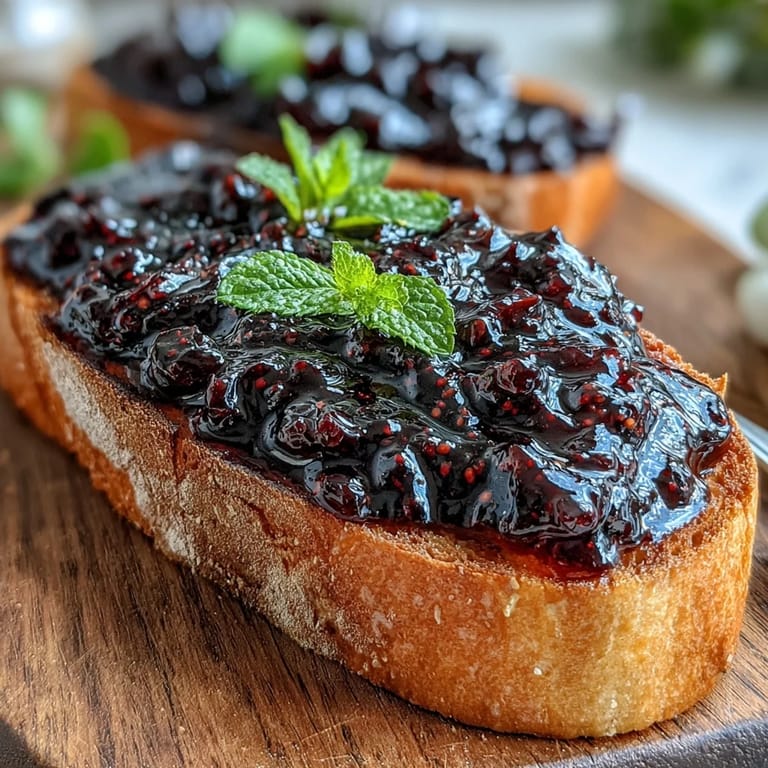
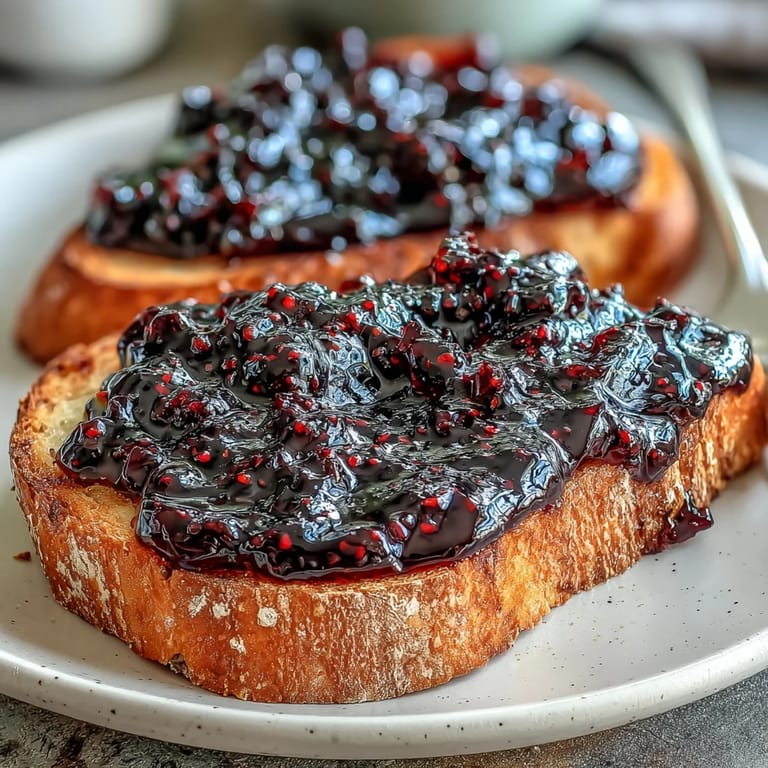
Save Discover the rich, bold essence of summer with this homemade Black Currant Jelly. This vibrant preserve captures the intense, tangy flavor of ripe black currants, creating a jewel-toned spread that is as beautiful as it is delicious. Whether you are looking for the perfect filling for delicate pastries or a simple way to elevate your morning toast, this clear and glistening jelly is a versatile addition to any pantry.
Save Creating this jelly is a classic kitchen craft that rewards patience. The process involves gently simmering the fruit to release its juices and then allowing it to drain naturally through a fine sieve. This slow extraction is what ensures the final product remains brilliantly clear and free of cloudiness, embodying the sophisticated charm of traditional European preserves.
Ingredients
Tired of Takeout? 🥡
Get 10 meals you can make faster than delivery arrives. Seriously.
One email. No spam. Unsubscribe anytime.
- 1 kg (2.2 lbs) fresh black currants, stems removed
- 250 ml (1 cup) water
- 800 g (4 cups) granulated sugar
- 2 tbsp lemon juice
Instructions
- Step 1
- Rinse the black currants thoroughly and remove any stems or leaves.
- Step 2
- In a large heavy-bottomed saucepan, combine the black currants and water. Bring to a simmer over medium heat.
- Step 3
- Cook, stirring and mashing occasionally, for about 15–20 minutes until the fruit is very soft and releases its juice.
- Step 4
- Set a fine-mesh sieve or jelly bag over a large bowl. Pour the cooked fruit and juice into the sieve and let it drain for at least 2 hours (or overnight in the refrigerator) without pressing to keep the jelly clear.
- Step 5
- Measure the collected juice. You should have about 700–750 ml (3 cups). For every cup of juice, use 1 cup (200 g) sugar.
- Step 6
- Return the juice to a clean saucepan. Add the sugar and lemon juice. Stir over low heat until the sugar dissolves completely.
- Step 7
- Increase the heat and bring to a rapid boil. Boil hard for 10–12 minutes, or until the jelly reaches 105°C (221°F) on a candy thermometer, or passes the wrinkle test on a cold plate.
- Step 8
- Remove from heat and skim off any foam.
- Step 9
- Carefully ladle the hot jelly into sterilized jars, leaving 0.5 cm (¼ inch) headspace. Seal immediately.
- Step 10
- Allow to cool at room temperature. Store in a cool, dark place.
Zusatztipps für die Zubereitung
To ensure the best results, always prioritize food safety by using thoroughly cleaned and sterilized jars and equipment. If your currants are exceptionally ripe, they may have lower natural pectin levels; in this case, using a candy thermometer to hit 105°C (221°F) is the most reliable way to guarantee a firm set. Avoid pressing the fruit while it drains, as this is the most common cause of cloudy jelly.
Varianten und Anpassungen
For those who prefer a very firm set, a small amount of commercial pectin can be added according to the package instructions. You can also vary the sweetness slightly depending on the natural tartness of your fruit, though a 1:1 ratio of juice to sugar is the standard for achieving the correct consistency without additional thickeners.
Serviervorschläge
This jelly serves as an excellent glaze for fruit tarts, providing a professional shine and a burst of flavor. It also makes for a sophisticated filling in sponge cakes or thumbprint cookies. For a savory twist, pair it with soft cheeses like Brie or drizzle it over a bowl of thick Greek yogurt for a simple yet elegant breakfast.
 Save
Save With its deep purple hue and intense flavor, this Black Currant Jelly is a testament to the beauty of home preserving. Once you taste the difference of a fresh, homemade batch, it will surely become a staple in your kitchen for years to come. Enjoy the process and the delicious results!
Recipe FAQs
- → How long does homemade black currant jelly last?
Properly sealed and stored jars will keep for up to 12 months in a cool, dark place. Once opened, refrigerate and consume within 3 weeks for best quality and flavor.
- → Why didn't my jelly set properly?
This usually means the mixture didn't reach the proper temperature of 105°C (221°F). Ensure your thermometer is accurate, or try the wrinkle test: place a spoonful on a cold plate and push it with your finger—if it wrinkles, it's ready. Overly ripe fruit may also need additional pectin.
- → Can I use frozen black currants?
Absolutely! Frozen currants work just as well as fresh. Thaw them completely before cooking, and include any juices that accumulate during thawing. The pectin content remains intact, so setting properties won't be affected.
- → Should I press the fruit through the sieve?
No, avoid pressing the fruit if you want clear jelly. Pressing releases particles that make the final product cloudy. Let gravity do the work by draining for several hours or overnight. The resulting jewel clarity is worth the wait.
- → What's the purpose of lemon juice in this jelly?
Lemon juice serves two important functions: it balances the sweetness with bright acidity and helps the pectin set properly. The natural acidity also acts as a preservative and enhances the vibrant color of the finished jelly.