 Save
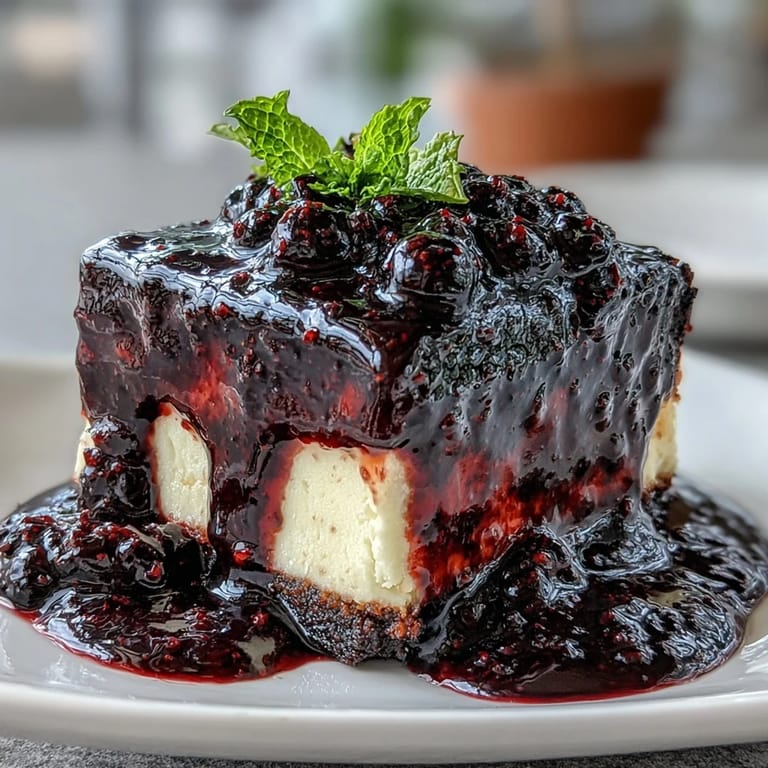
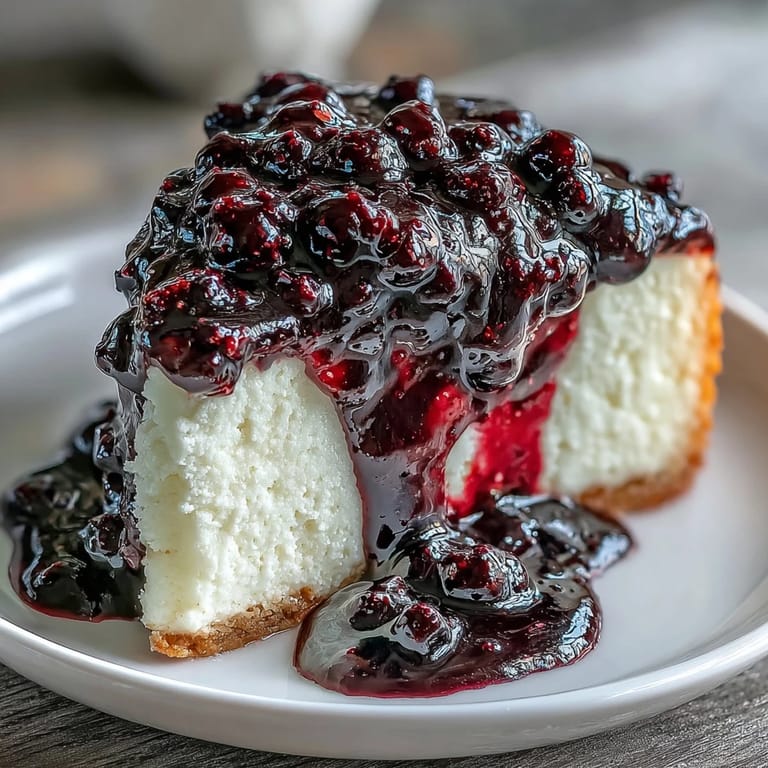
Save There's something almost magical about the moment black currants burst in a hot pan, releasing their deep crimson juice and filling your kitchen with this tart, almost mysterious perfume. I discovered this sauce entirely by accident one summer when a friend brought over a punnet of fresh black currants from a farmers market, and I had no idea what to do with them except make something sweet. What started as an experimental afternoon of stirring fruit and sugar became my go-to topping for almost everything creamy, from plain cheesecake to vanilla panna cotta to plain vanilla ice cream.
I'll never forget serving this sauce at a dinner party where someone's partner mentioned they thought black currants were just something from Victorian novels. Watching their face when they tasted it—that moment of surprise at how bright and complex the flavor was—made the whole evening feel special. Now whenever I make it, I think of that moment and how a simple fruit sauce sparked a genuine conversation about flavors people had only ever read about.
Ingredients
- Fresh or frozen black currants: Use whichever you can find; frozen work beautifully and are often more affordable than fresh, plus they burst even more readily in the heat.
- Granulated sugar: This sweetens without any competing flavors, though you can experiment with honey or maple syrup if you're feeling adventurous.
- Water: Helps the currants release their juice and keeps the sauce from scorching on the bottom of the pan.
- Cornstarch: A optional thickener that gives the sauce that glossy, almost jeweled appearance when you want extra elegance.
- Cold water for slurry: When mixed with cornstarch, this prevents lumps and creates silky, even thickening.
- Fresh lemon juice: A small squeeze brightens the deep berry flavor and prevents the sauce from tasting one-dimensionally sweet.
- Vanilla extract: Adds a whisper of warmth and complexity that makes people ask what your secret ingredient is.
Tired of Takeout? 🥡
Get 10 meals you can make faster than delivery arrives. Seriously.
One email. No spam. Unsubscribe anytime.
Instructions
- Combine your fruit base:
- In a small saucepan, pour the black currants, sugar, and water together and give everything a gentle stir. The currants will look slightly intimidating in that pile of sugar, but trust the process.
- Simmer gently until they burst:
- Turn heat to medium and let the mixture bubble quietly, stirring every minute or so to prevent sticking. After about 6 to 8 minutes, you'll see the currants split open and release their crimson juice, thickening the sauce naturally.
- Create gloss if you'd like:
- If you want that extra-shiny, slightly thicker texture, whisk cornstarch with cold water in a small cup until perfectly smooth, then stir it into your simmering sauce and let it bubble for another minute until it loses any cloudy appearance.
- Season and taste:
- Pull the pan off heat and add lemon juice and vanilla, stirring to combine. Taste a tiny spoonful and adjust sweetness or tartness if needed.
- Choose your texture:
- Pour the sauce through a fine sieve into a bowl if you want a silky, seed-free finish, or skip this step entirely if you prefer the rustic look and don't mind the texture of berry seeds.
- Let it cool and thicken:
- The sauce will thicken noticeably as it cools to room temperature, becoming more syrupy and luxurious. Patience here makes all the difference.
 Save
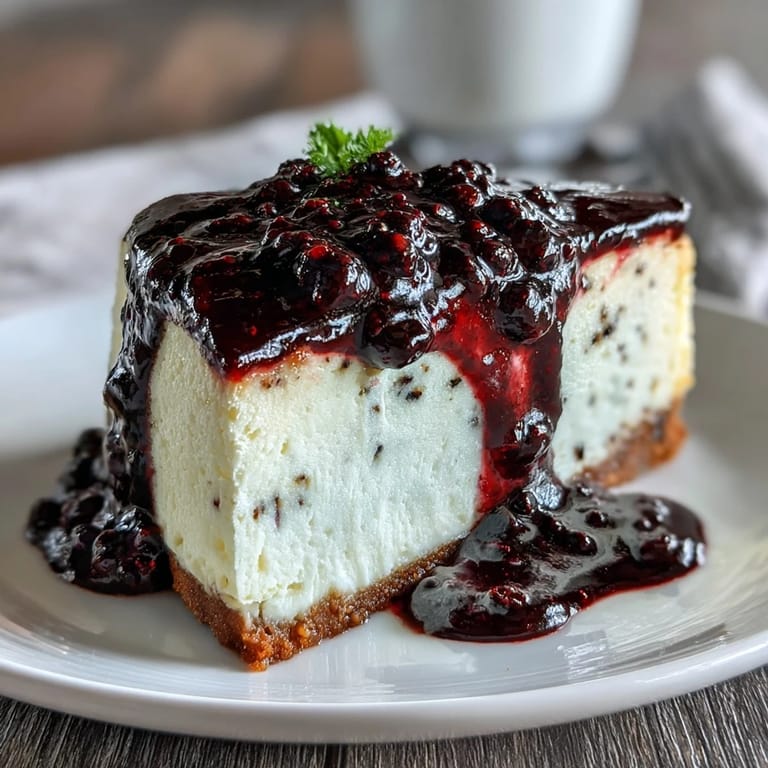
Save One winter evening, I drizzled this sauce over store-bought vanilla ice cream while my partner worked late, and suddenly a mundane Tuesday night felt indulgent and special. That's when I realized this sauce isn't just about flavor—it's about transforming ordinary moments into something that feels intentional and made with care.
Fresh Versus Frozen: Which Works Best
Fresh black currants have a slightly firmer texture and can look prettier in the finished sauce, but frozen currants actually burst faster and more dramatically, which means your sauce thickens more quickly and the flavor concentrates beautifully. I've stopped being precious about this—frozen often wins because the work is already half done by the ice crystals that have broken down the cell walls. Just thaw them first if you want to measure accurately, though honestly, I often throw them straight from the freezer into the pan and add an extra 30 seconds to the cooking time.
Adjusting Sweetness Without Guesswork
Black currants vary wildly in tartness depending on when they were harvested and how they were stored, so tasting as you go is essential rather than optional. I always reduce the sugar slightly and taste partway through cooking, then add more if needed—it's easier to sweeten than to un-sweeten a sauce. If you end up with something too tart, you can stir in a tablespoon of honey or even a pinch of salt, which sounds odd but actually mellows tartness in surprising ways.
Beyond Cheesecake: Unexpected Ways to Use This Sauce
This sauce feels designed for classic desserts, but some of my favorite moments have come from experimenting outside those boundaries. I've spooned it over roasted duck, whisked it into Greek yogurt for breakfast, and even drizzled it onto grilled stone fruit. The tartness and depth make it more versatile than it appears at first glance.
- Try swirling it into whipped cream or mascarpone for an instant elegant topping.
- Spoon it over panna cotta, cheesecake, or vanilla ice cream for the most classic pairing.
- Keep a jar in the refrigerator for whenever you need to transform something simple into something special.
 Save
Save This sauce is proof that the most memorable parts of cooking have nothing to do with technique or ingredients, but with how you feel when you're making something, and how it makes other people feel when they taste it. Keep it simple, taste as you go, and let the black currants do most of the work.
Recipe FAQs
- → Can I use frozen black currants instead of fresh?
Yes, frozen black currants work perfectly. No need to thaw first—simply add them directly to the saucepan and follow the same instructions. The sauce may take an extra minute or two to reach the desired consistency.
- → How long will this sauce keep in the refrigerator?
Stored in an airtight container in the refrigerator, this sauce will keep for up to one week. The flavors often develop and intensify after a day or two.
- → Do I have to strain the sauce?
No, straining is optional. For a silky smooth texture, strain through a fine mesh sieve. If you prefer a rustic sauce with seeds and skins, simply skip this step.
- → Can I substitute the cornstarch?
You can use arrowroot powder or tapioca starch instead of cornstarch. Alternatively, simply cook the sauce longer to reduce and thicken naturally without any thickener.
- → What other fruits can I use for this sauce?
This method works beautifully with raspberries, blackberries, blueberries, or a mix of berries. Adjust the sugar based on the fruit's natural sweetness.
- → Can I freeze this sauce?
Yes, freeze in an airtight container for up to 3 months. Thaw overnight in the refrigerator before using. The texture may be slightly thinner after freezing.