 Save
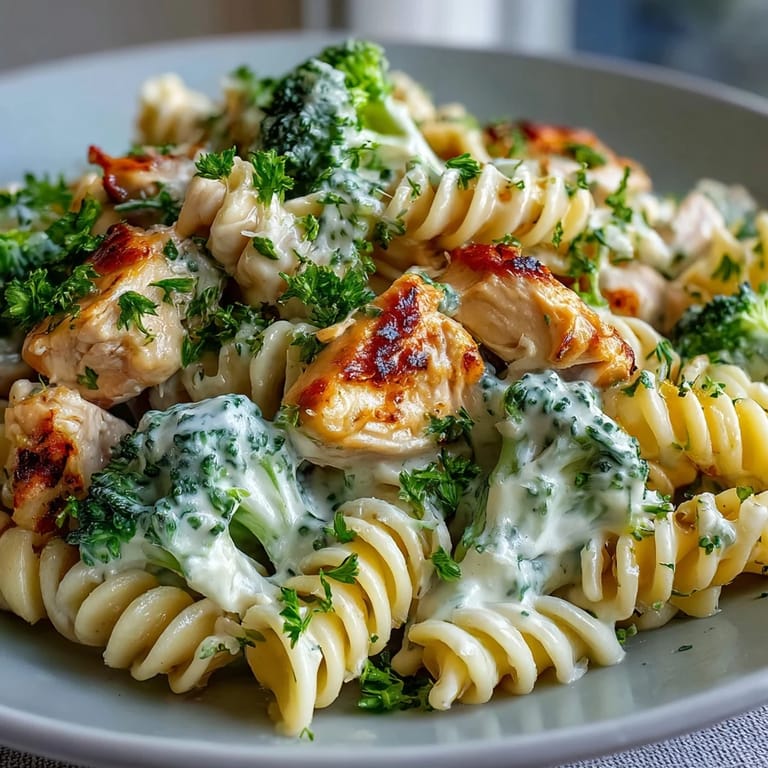
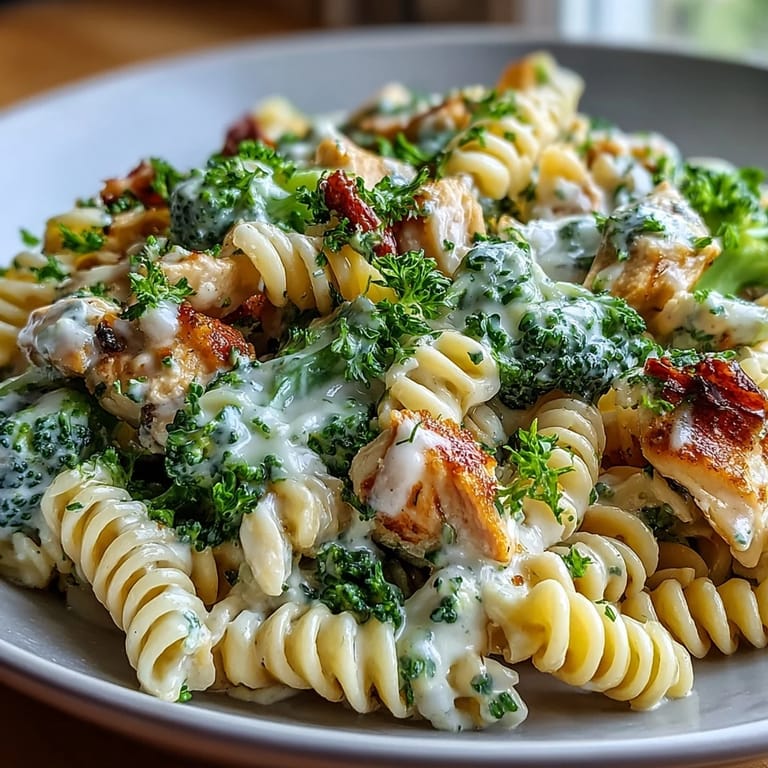
Save There's something about the sound of chicken sizzling in butter that tells you a good dinner is coming. I stumbled onto this recipe on a Tuesday evening when I had cream in the fridge, broccoli that needed using, and absolutely no energy for complicated cooking. What emerged from that skillet was pure comfort: tender chicken, bright green broccoli, and pasta swimming in the creamiest garlic Parmesan sauce that made me wonder why I hadn't thought of it sooner. It's become the dish I make when I want people to feel genuinely cared for without spending hours in the kitchen.
I made this for my sister during a particularly stressful week of hers, and I watched her take that first bite and just exhale. She didn't say much, just kept eating, and that silence felt like the highest compliment. Food has this quiet power sometimes, especially when it arrives exactly when someone needs something warm and honest on their plate.
Ingredients
- Boneless, skinless chicken breasts (2 medium, about 400 g, cut into bite-size pieces): Cutting them small means they cook quickly and distribute evenly through the pasta, so every forkful has protein without needing huge chunks.
- Penne, rigatoni, or rotini pasta (300 g or 10 oz): These shapes trap the creamy sauce beautifully because of their ridges and hollow centers; don't use thin spaghetti or it'll slide right off.
- Small broccoli florets (2 cups or 200 g): Smaller florets cook in the same time as the pasta and stay crisp instead of turning mushy, which keeps the texture interesting.
- Garlic, minced (3 cloves): Mince it yourself if you can because fresh garlic softens into the cream and becomes almost sweet, while jarred can taste sharp and one-note.
- Onion, finely chopped (1 small): This builds a quiet sweetness under everything else and keeps the sauce from tasting thin or one-dimensional.
- Heavy cream (1 cup or 240 ml): This is what makes the sauce silky and rich; there's no substitute that gives quite the same luxurious finish.
- Freshly grated Parmesan cheese (1 cup or 100 g): Grate it yourself from a block if you have time because pre-shredded cheese has anti-caking agents that make the sauce grainy instead of smooth.
- Unsalted butter (2 tbsp or 30 g): Start with this to sauté the chicken and aromatics; it builds a golden base that deepens all the flavors that follow.
- Milk (1/2 cup or 120 ml): This stretches the cream and keeps the sauce from being too heavy while still staying luscious.
- Low-sodium chicken broth (2 cups or 480 ml): This is your liquid base that lets the pasta cook right in the sauce instead of in separate water, infusing it with flavor from the start.
- Salt, black pepper, crushed red pepper flakes, dried Italian herbs: Taste as you go because the pasta will absorb salt and you might want more seasoning than you think once everything comes together.
- Fresh parsley for garnish: The bright green and fresh taste cut through the richness and make the dish feel finished rather than heavy.
Tired of Takeout? 🥡
Get 10 meals you can make faster than delivery arrives. Seriously.
One email. No spam. Unsubscribe anytime.
Instructions
- Sear the chicken until golden:
- Melt the butter in your large skillet over medium heat and listen for that gentle sizzle before adding chicken pieces seasoned with salt and pepper. After 4 to 5 minutes, they should have a light golden edge but won't be fully cooked yet, which is perfect because they'll finish cooking in the creamy broth.
- Build the flavor base with aromatics:
- Once the chicken moves to a plate, add the chopped onion and minced garlic to the same skillet where the chicken released all its juices. Sauté for about 2 minutes until everything turns translucent and the kitchen smells incredible, which signals that the raw edge is gone and sweetness is starting to develop.
- Combine the liquid base:
- Pour in the chicken broth, milk, and heavy cream all at once, stirring gently to bring everything together. Raise the heat to medium and let it come to a gentle simmer, which should take just a minute or two and will look a bit pale at first.
- Cook the pasta and broccoli together:
- Add the dry pasta and broccoli florets directly to the simmering cream mixture, stirring well so nothing sticks to the bottom. Cover the skillet, reduce heat to medium-low, and let it cook for 10 to 12 minutes, stirring occasionally, until the pasta is al dente and the liquid has mostly absorbed into the noodles.
- Return the chicken and melt in the cheese:
- Once the pasta is tender and most of the liquid has been absorbed, add the seared chicken back to the skillet along with the freshly grated Parmesan, Italian herbs, and red pepper flakes if you want a slight kick. Stir continuously for about a minute until the cheese melts into the cream and everything becomes silky and unified.
- Taste and adjust seasonings:
- This is crucial because pasta absorbs salt differently depending on how much liquid remains, so taste a bite and add more salt or pepper if needed. The dish should taste balanced and rich, not one-dimensional or bland.
- Serve while warm and creamy:
- Divide into bowls immediately and top with fresh chopped parsley and extra grated Parmesan while the sauce is still flowing and hot. Waiting too long means the sauce will thicken as it cools, so timing matters here.
 Save
Save The moment when my nephew asked for seconds without being asked and then scraped his bowl clean felt like winning something important. Kids don't fake enthusiasm about food, and watching him go back for more told me that I'd hit that sweet spot where comfort and flavor and effort all balanced out perfectly.
Why This Dish Became My Go-To
I used to think one-skillet dinners meant you were cutting corners, but then I realized the opposite is actually true. Cooking pasta directly in the cream and broth means every strand gets flavored from the inside out instead of being cooked separately and then tossed with sauce afterward. The pasta becomes part of the dish instead of just a vehicle for it, which changes everything about how it tastes and feels in your mouth.
Timing and Texture Matter More Than You'd Think
The first time I made this, I cooked everything until the pasta was completely soft because I wasn't paying attention, and while it was still delicious, it had lost that pleasant resistance that makes eating interesting. Now I watch for that moment when the pasta is just barely done and the sauce still clings instead of pooling at the bottom, which takes practice but becomes instinctive after a few tries.
Simple Variations That Keep It Fresh
Once you understand how this dish works, you can adapt it endlessly without losing what makes it special. A squeeze of lemon juice at the end brightens everything without making it taste acidic, while a pinch of nutmeg adds an unexpected warmth that people notice but can't quite name. Some nights I use rotisserie chicken instead of cooking my own, and while it's slightly less satisfying to make, it still tastes genuinely good without requiring any real effort.
- A handful of fresh spinach wilts right into the warm sauce in the last minute and adds nutrition without changing the flavor profile.
- Mushrooms sautéed with the onion and garlic add earthiness that pairs beautifully with the creamy Parmesan.
- For vegetarians, vegetable broth works perfectly and keeps the dish just as filling without the chicken.
 Save
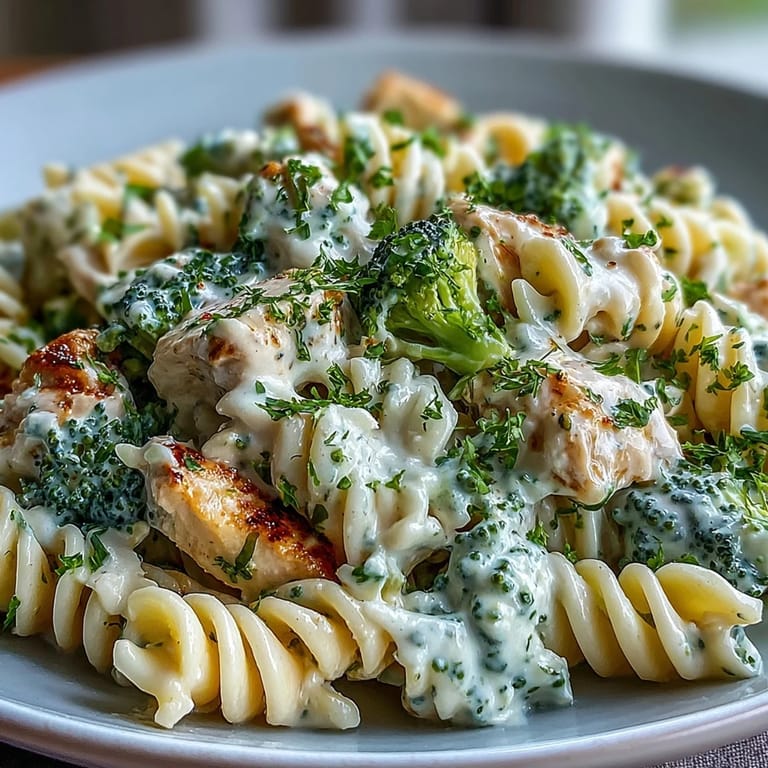
Save This recipe exists in that perfect space between weeknight easy and impressive enough to share with people you care about. It's taught me that the most satisfying meals don't have to be complicated, just honest.
Recipe FAQs
- → Can I make this pasta dish ahead of time?
You can prepare the components ahead, but it's best served fresh. The sauce tends to thicken as it sits. If reheating, add a splash of broth or milk to restore the creamy consistency. Store leftovers in an airtight container for up to 3 days.
- → What pasta shapes work best with this sauce?
Penne, rigatoni, and rotini are excellent choices because their ridges and tubes hold the creamy sauce well. Short pasta with texture helps the Parmesan coating cling to every bite. Whole wheat or gluten-free varieties work too.
- → How do I prevent the sauce from separating?
Keep the heat at medium-low when adding the cream and cheese. High heat can cause dairy to separate. Add the Parmesan gradually while stirring constantly, and remove the skillet from heat once the cheese melts completely.
- → Can I use pre-cooked chicken to save time?
Absolutely. Rotisserie chicken or leftover cooked chicken works perfectly. Skip the initial browning step and add the pre-cooked chicken when the pasta is almost done, just long enough to heat through. This cuts prep time to about 10 minutes.
- → How can I make this vegetarian?
Simply omit the chicken and use vegetable broth instead of chicken broth. You might want to add more broccoli or include other vegetables like bell peppers, zucchini, or spinach to make it more filling. The creamy Parmesan sauce remains just as delicious.
- → Can I freeze this dish?
Freezing isn't recommended because cream-based sauces can separate and become grainy when thawed. However, you can freeze the cooked chicken and broccoli separately, then prepare fresh sauce and pasta when ready to serve.