 Save
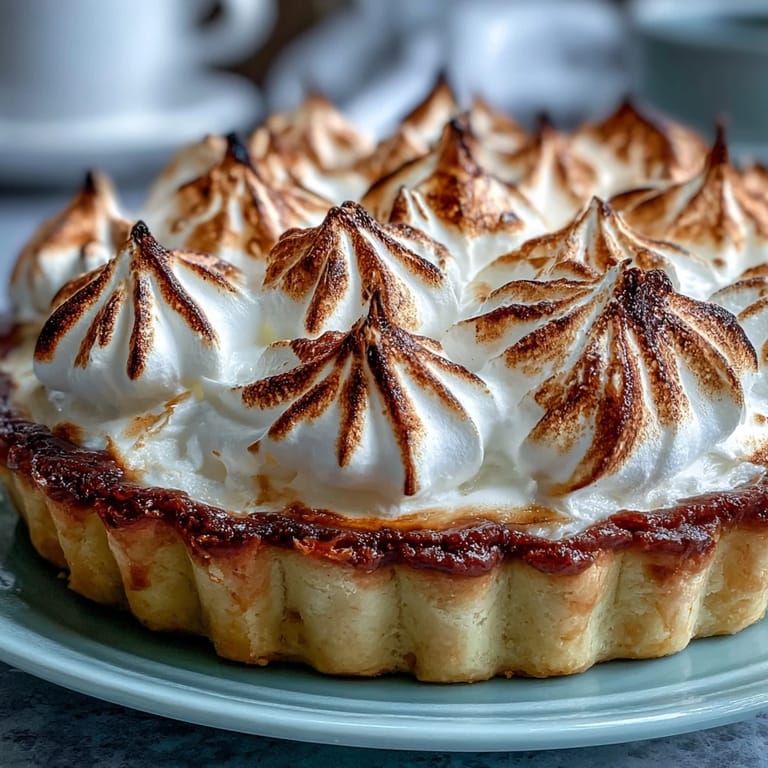
Save My neighbor once brought over a lemon meringue pie that looked like it belonged in a magazine, all glossy peaks and perfect golden tips. I took one bite and decided right then I needed to learn how to make it myself. After a few trials, some weeping meringue, and one crust that crumbled like sand, I finally cracked the code. Now it's the dessert I pull out when I want to impress without saying a word. There's something deeply satisfying about slicing into those three distinct layers and watching faces light up.
I made this for my daughter's birthday last spring, and she insisted on carrying it to the table herself. The meringue wobbled a little, but it held, and when we cut into it, the filling was so bright and sunny it matched the daffodils on the table. Everyone went quiet after the first bite, then someone said it tasted like bottled sunshine. I've never forgotten that description, and now I can't make this pie without thinking of it.
Ingredients
- All-purpose flour: The foundation of a tender crust, just be sure not to overwork it or it'll turn tough instead of flaky.
- Cold unsalted butter: Keeps the crust light and crisp, the colder it is when you start, the better your texture will be.
- Ice water: Brings the dough together without warming the butter, add it slowly so you don't end up with a soggy mess.
- Granulated sugar: Used in all three components, it sweetens the crust, balances the lemon, and stabilizes the meringue.
- Cornstarch: Thickens the filling to a silky, spoonable consistency that holds its shape when you slice.
- Egg yolks: Give the filling richness and a beautiful pale yellow color that contrasts perfectly with the meringue.
- Lemon zest: Adds a punch of citrus oil and fragrance that makes the filling taste alive, not flat.
- Freshly squeezed lemon juice: The star of the filling, bottled juice just doesn't compare in brightness or depth.
- Egg whites: Whip up into the cloud-like meringue that crowns the pie, but they must be at room temperature to reach full volume.
- Cream of tartar: Stabilizes the egg whites so your meringue doesn't collapse or weep after baking.
- Pure vanilla extract: A small addition that rounds out the sweetness and keeps the meringue from tasting one-dimensional.
Tired of Takeout? 🥡
Get 10 meals you can make faster than delivery arrives. Seriously.
One email. No spam. Unsubscribe anytime.
Instructions
- Build the Crust:
- Whisk the dry ingredients, then work the cold butter in with your fingers or a pastry cutter until it looks like wet sand with pea-sized bits. Add ice water just until the dough holds together when squeezed, then chill it wrapped tightly for at least an hour so it rolls out without tearing.
- Blind Bake:
- Roll your chilled dough into a circle, fit it into your pie dish, and prick the bottom all over with a fork to prevent bubbling. Line it with parchment, fill with weights, and bake until the edges are set, then remove the weights and bake until golden all over so the crust stays crisp under the filling.
- Cook the Filling:
- Whisk sugar, cornstarch, and salt with water in a saucepan, then cook over medium heat, stirring constantly until it thickens and starts to bubble. Temper your egg yolks by whisking in a bit of the hot mixture first, then stir it all back in and cook for two more minutes before adding lemon zest, juice, and butter.
- Whip the Meringue:
- Beat room-temperature egg whites with cream of tartar until soft peaks form, then gradually add sugar and keep beating until the peaks are stiff and glossy. Fold in vanilla at the end, and spread it over the warm filling immediately, making sure to seal the edges to the crust.
- Bake and Chill:
- Bake the assembled pie until the meringue is golden brown with toasted tips, then let it cool to room temperature before chilling for at least two hours. This sets the filling so your slices come out clean and beautiful instead of runny.
 Save
Save There was an afternoon when I served this to a friend who said she didn't like lemon desserts, and I watched her take a tentative bite, then another, then ask for a second slice. She admitted the balance between tart and sweet was nothing like the artificial lemon flavor she'd always hated. That moment reminded me why homemade versions of classic desserts matter, they can change someone's mind entirely.
Getting the Meringue Right
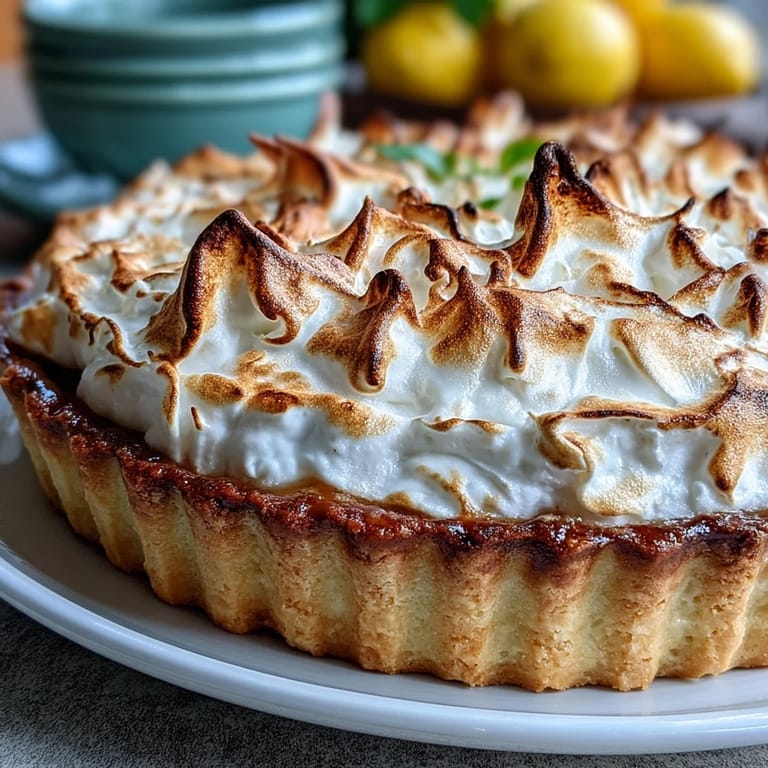
The secret to meringue that doesn't weep or deflate is in the details. Room-temperature egg whites whip up to nearly double the volume of cold ones, and cream of tartar acts like insurance against collapse. I learned to add sugar gradually, just a tablespoon at a time once soft peaks form, because dumping it all in at once weighs down the foam. When the meringue holds stiff peaks and looks glossy, not grainy, it's ready. Spread it generously, swirling it into peaks and valleys so some tips brown deeper than others for that bakery look.
Choosing Your Lemons
Regular lemons are perfectly fine, but if you find Meyer lemons, grab them. They're sweeter and slightly floral, which makes the filling taste more complex and less puckery. Either way, roll your lemons on the counter with firm pressure before juicing to break down the membranes and get every last drop. Zest them first, before you cut and juice, because trying to zest a halved lemon is a mess. Fresh juice makes all the difference, bottled stuff tastes flat and won't give you that bright, sunny flavor that makes this pie unforgettable.
Storing and Serving
Lemon meringue pie is best enjoyed within a day or two, as the meringue softens and the crust can get soggy over time. Store it loosely covered in the refrigerator, but avoid plastic wrap directly on the meringue or it'll stick and tear. If you want to make it ahead, bake the crust and prepare the filling the day before, then whip and bake the meringue just before serving for maximum height and texture. Slice with a sharp knife dipped in hot water and wiped clean between cuts for perfect, photogenic wedges.
- Serve chilled or at cool room temperature for the best texture contrast.
- Pair with a dollop of lightly sweetened whipped cream if you want extra richness.
- Leftovers can be frozen, though the meringue will lose its crisp peaks.
 Save
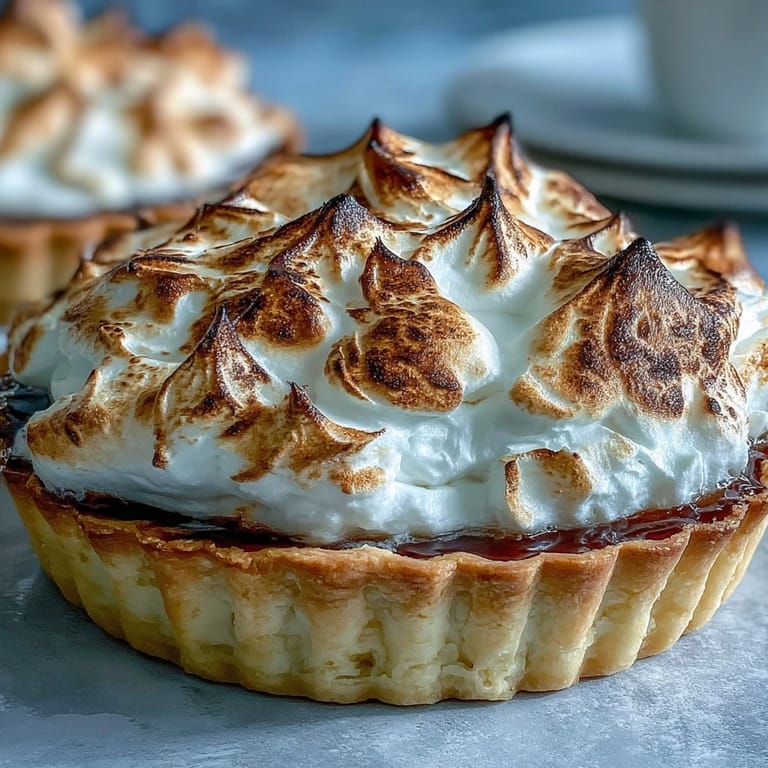
Save This pie has become my go-to whenever I want to remind myself that some things are worth the extra effort. The look on someone's face when they take that first bite, tart and sweet and cloud-like all at once, never gets old.
Recipe FAQs
- → How do I prevent my meringue from weeping?
Spread the meringue over warm filling and seal it completely to the crust edges. Bake immediately at the correct temperature and avoid refrigerating until fully cooled to room temperature first.
- → Can I make the pie crust ahead of time?
Yes, the dough can be wrapped tightly and refrigerated for up to 3 days or frozen for up to 3 months. The baked crust can be stored at room temperature for 1 day before filling.
- → Why is my lemon filling runny?
The filling needs to reach a full boil to activate the cornstarch properly. Stir constantly and cook until the mixture visibly thickens and bubbles. Chilling for at least 2 hours also helps it set completely.
- → What type of lemons work best?
Regular Eureka or Lisbon lemons provide the classic tart flavor. Meyer lemons offer a sweeter, more floral taste. Use freshly squeezed juice for the brightest, most authentic flavor.
- → How long does lemon meringue pie keep?
Store covered in the refrigerator for up to 2 days. The meringue may begin to weep after the first day, so it's best enjoyed within 24 hours of baking for optimal texture.
- → Can I use bottled lemon juice instead of fresh?
Fresh lemon juice is strongly recommended for superior flavor and aroma. Bottled juice often contains preservatives that can affect the taste and may not provide the same bright, tangy quality.