 Save
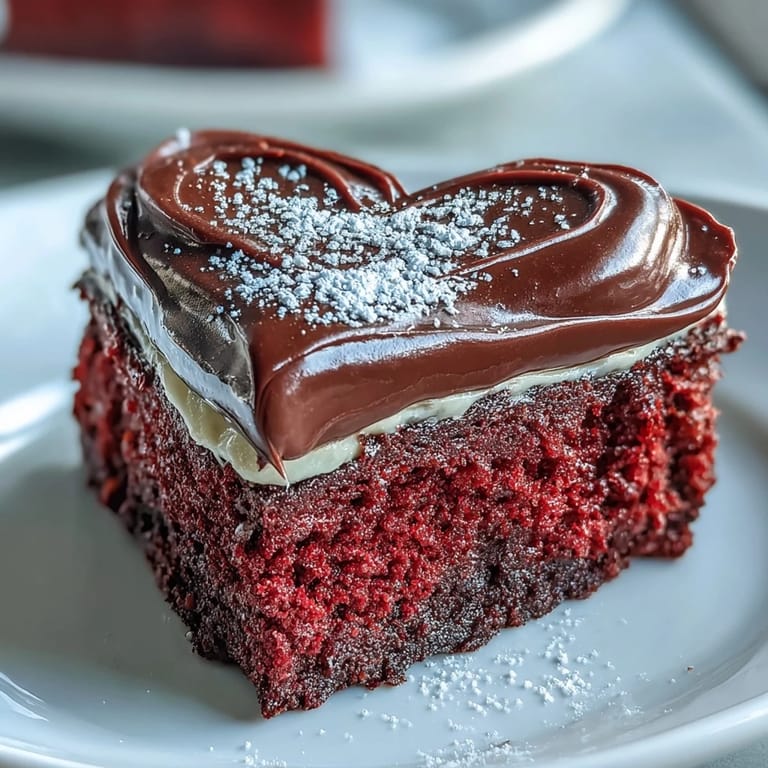
Save The first time I attempted a red velvet heart cake, I accidentally used liquid food coloring and ended up with a pinkish peach color that refused to deepen no matter how much I added. My kitchen looked like a crime scene, but that mistake taught me everything about gel versus liquid coloring and why patience matters more than shortcuts.
I made this cake for my best friend's engagement party last February. When I carried it out and placed it on the dessert table, the room actually went quiet for a second before someone shouted 'Betty Boop' and everyone started laughing and taking pictures. The cake itself was almost secondary to how much joy that little silhouette brought to the room.
Ingredients
- Cake flour: Lower protein means a softer crumb that practically melts in your mouth
- Natural cocoa powder: Just enough to give depth without overpowering the classic red velvet flavor
- Buttermilk: The acidity activates the baking soda and creates that tender texture red velvet is famous for
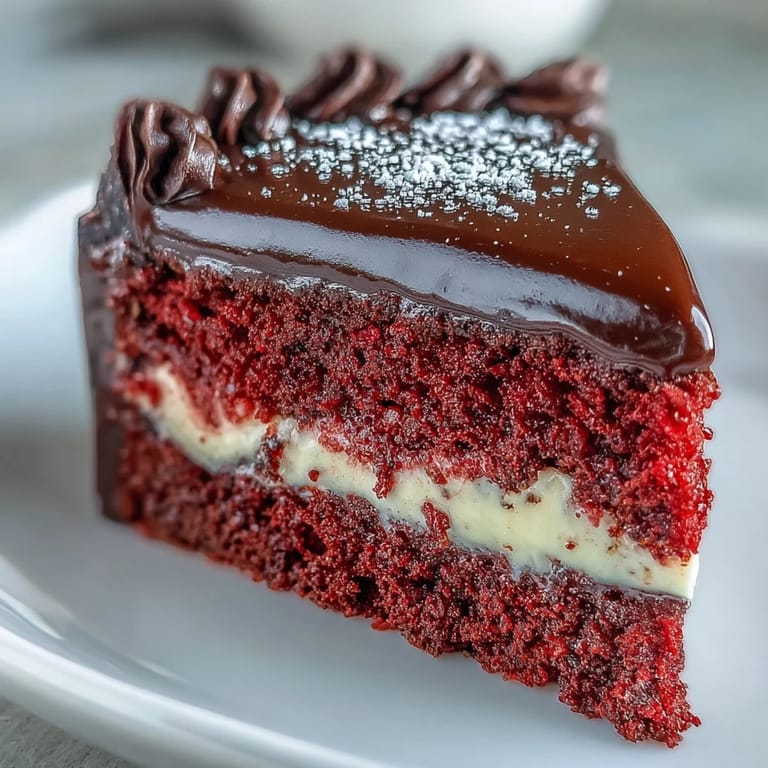
- Red gel food coloring: Gel delivers intense color without thinning your batter like liquid does
- Cream cheese: Must be completely room temperature or you will end up with lumpy frosting
- Dark chocolate for the silhouette: The bitterness cuts through the sweet cake and frosting beautifully
Tired of Takeout? 🥡
Get 10 meals you can make faster than delivery arrives. Seriously.
One email. No spam. Unsubscribe anytime.
Instructions
- Prep your pans and warm up your oven:
- Pan preparation matters more than most people realize. Grease those heart pans thoroughly, line the bottoms with parchment, and preheat to 350°F.
- Whisk together your dry ingredients:
- Sift the cake flour, cocoa powder, baking powder, baking soda, and salt in a medium bowl. Set aside where you can grab it easily.
- Cream the butter and sugar:
- Beat butter for 1 minute until creamy, then gradually add sugar and continue for 2 to 3 minutes until the mixture looks pale and fluffy.
- Add eggs one at a time:
- Beat each egg just until blended, scraping down the bowl sides so everything incorporates evenly.
- Mix in the color and flavor:
- Stir in red gel coloring, vanilla, and white vinegar until the batter turns that perfect shade of crimson.
- Combine wet and dry ingredients:
- Alternate adding one-third of dry ingredients with half the buttermilk, mixing just until each addition disappears. Overmixing toughens the crumb.
- Activate the leavening:
- Mix the vinegar and baking soda in a small cup, watch it foam, then gently fold into the batter. This creates those air pockets that make the cake light.
- Bake until perfectly set:
- Divide batter between your prepared pans and bake for 25 to 30 minutes. A toothpick should come out clean, not wet.
- Let the cakes cool completely:
- Wait 10 minutes before removing from pans, then cool completely on wire racks. Warm cake melts frosting into a sad, slidey mess.
- Make the frosting while cakes cool:
- Beat cream cheese and butter for 2 minutes until smooth, then gradually add powdered sugar, salt, and vanilla until fluffy and spreadable.
- Assemble the layers:
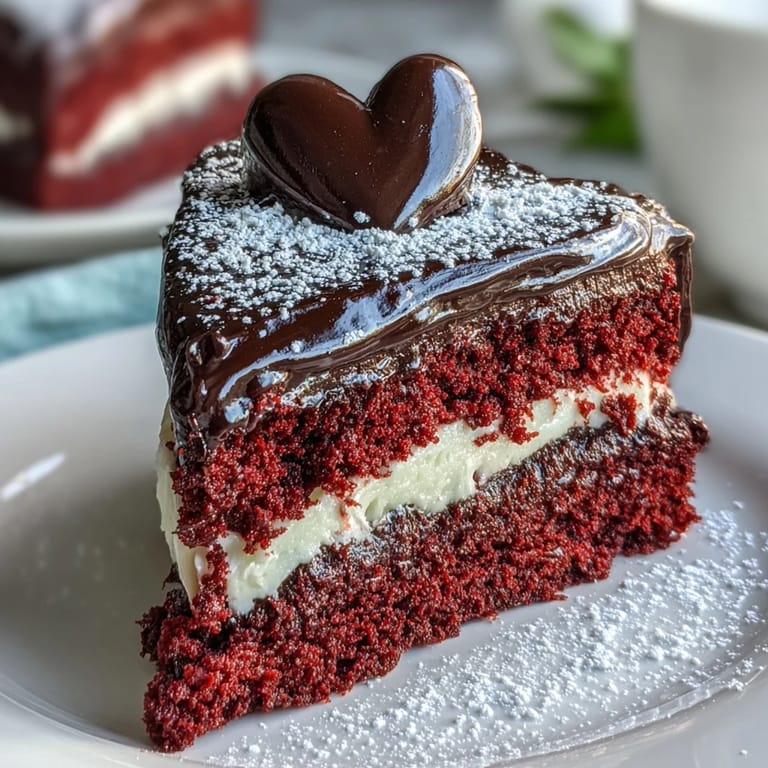
- Level any domes, frost between layers, and apply a crumb coat. Chill for 10 minutes before adding the final smooth layer.
- Create the chocolate silhouette:
- Place your stencil under parchment, trace with melted dark chocolate, and let set completely before peeling off.
- Finish with the dramatic reveal:
- Carefully lift the chocolate Betty onto the cake center, press gently, and add any final decorations. Chill 30 minutes before slicing.
 Save
Save My niece helped me make the chocolate silhouette for this cake once, and her hand slipped partway through, creating this wobbly, imperfect Betty Boop that ended up being more charming than the precise versions I had made before. Sometimes the mistakes are what make a recipe truly yours.
Getting That Perfect Red Color
I have tried every red food coloring on the market, and gel is absolutely the only way to go. Liquid coloring requires so much to achieve the same intensity that it throws off your liquid ratios and can leave you with a dense, gummy cake. One small squeeze of quality gel delivers that restaurant-quality red without compromising the batter at all.
Frosting Like a Pro
The warm spatula trick changed my frosting game forever. Run your offset spatula under hot water, dry it thoroughly, then smooth your frosting. The gentle heat melts the cream cheese just enough to create those glassy, professional swoops and swirls that look impossibly smooth.
Making Silhouettes That Actually Work
Tempering your chocolate slightly makes the silhouettes much sturdier and less likely to melt from the warmth of your hands when you transfer them. Let the chocolate cool to about 85°F before piping, then let the finished silhouette set in the refrigerator for at least 15 minutes before attempting to peel it off the parchment.
- Print your stencil at the exact size you need before starting
- Work in a cool room or the chocolate will soften too quickly
- Use a toothpick to fix any small mistakes before the chocolate sets
 Save
Save This cake has become my go-to for celebrations that call for something dramatic but still deeply comforting. There is something about that heart shape and the playful silhouette that makes people smile before they even take a bite.
Recipe FAQs
- → Why use both white vinegar and baking soda in the batter?
The combination creates a chemical reaction that produces carbon dioxide bubbles, resulting in a lighter, more tender crumb while enhancing the red color development.
- → Can I make the chocolate silhouette ahead of time?
Absolutely. Pipe your chocolate designs on parchment paper, let them set completely, then store between sheets of wax paper in an airtight container at room temperature for up to 2 weeks.
- → Why is gel food coloring better than liquid?
Gel coloring provides intense red hue without adding excess liquid that could throw off your batter's consistency and affect the final texture of your cake layers.
- → How do I get smooth frosting sides?
Apply a thin crumb coat first, chill for 10-15 minutes to set, then add your final layer. Run your offset spatula under hot water, dry thoroughly, and smooth the frosting while warm.
- → Can I use regular cocoa powder instead of natural?
Natural cocoa powder works best here since it's acidic and pairs well with the baking soda. Dutch-processed cocoa may affect the rise and texture of your final cake.
- → Why must all ingredients be at room temperature?
Room-temperature ingredients emulsify properly, creating a smooth, homogeneous batter that bakes evenly. Cold ingredients can cause curdling and lead to dense or uneven textures.